
Cleaning Laser Machine: The Complete Buyer's Guide [2025]
Dawn Huang
I'm a passionate engineer and the founder of Chihalo Laser Factory. With an M.Sc. from HKU and 10 years in industrial laser field, I've mastered the laser craft from the ground up — from selecting parts to automating systems. Here, I translate complex industry updates into actionable knowledge. Join our community to stay ahead!
Table of Contents
A cleaning laser machine uses focused fiber laser beams to remove rust, paint, oil, and coatings from surfaces without contact or chemicals. Prices range from $3,800 to $18,000+ depending on power (50W-3000W) and type (CW or pulsed). This guide covers honest pricing, brand comparisons, common buying mistakes, and ROI analysis to help you make the right choice.
Key Takeaways:
- Price range:$3,800-$18,000+ (avoid anything under $2,500)
- Best value:Quality Chinese brands with Raycus/MAX/JPT sources
- ROI:Typically 6-14 months payback through labor and consumable savings
- Lifespan:10-15 years with proper maintenance (laser source: 100,000+ hours)
- Top mistake:Buying on price alone—cheap machines cost more long-term
What Is a Cleaning Laser Machine?
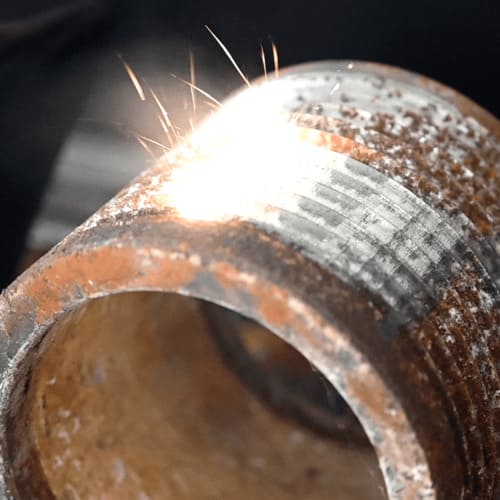
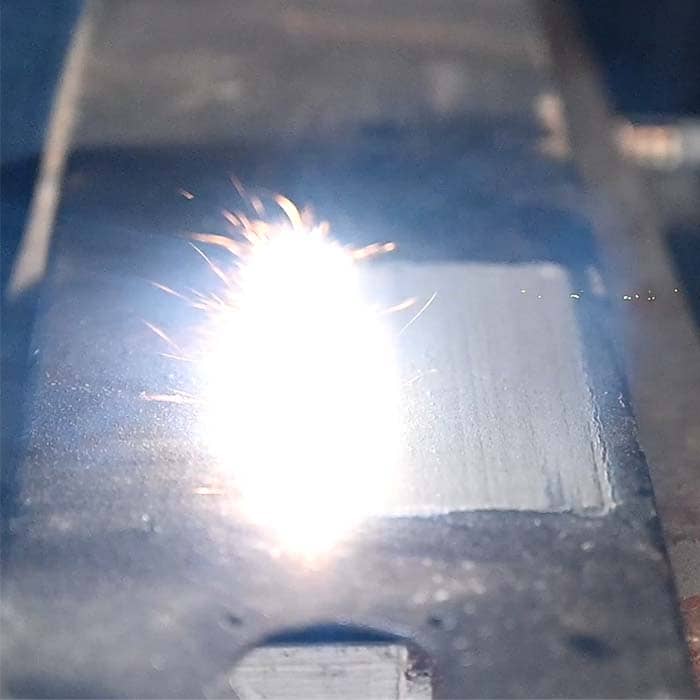
A cleaning laser machine (also called laser rust remover or laser ablation machine) removes surface contaminants using high-intensity laser beams. When the laser hits the surface, contaminants absorb energy and vaporize instantly, while the base material stays undamaged.
How It Works
The process relies on selective absorption: rust, paint, and oil absorb laser energy at much higher rates than clean metal. This enables precise removal without substrate damage. The system includes a fiber laser source, galvanometric scanning head, and cooling system.
When the high-energy laser beam hits the contaminated surface, the contaminants instantly heat up, vaporize, and are ejected from the surface. The clean substrate reflects most of the laser energy, remaining cool and undamaged. This selective process allows operators to remove specific layers (like paint) while preserving others (like primer or base metal).
Key Advantages of Laser Cleaning
- Non-Contact Process:No mechanical wear on surfaces or equipment
- Zero Consumables:Only uses electricity—no media, chemicals, or solvents
- Precision Control:Adjustable parameters for different materials and contaminants
- Eco-Friendly:No hazardous waste, no chemical disposal requirements
- Automation Ready:Easy integration with robots and production lines
- Selective Removal:Remove specific layers while preserving others
- Consistent Results:Repeatable quality unlike manual methods
Laser Cleaning vs Traditional Methods
Factor | Laser Cleaning | Sandblasting | Chemical |
Surface Damage | None | High | Medium |
Consumables | Zero | $2,000-10,000/yr | $3,000-15,000/yr |
Speed | 2-5x faster | Baseline | Slow |
Environmental | Eco-friendly | Waste disposal | Toxic chemicals |
Precision | Excellent | Poor | Poor |
Types of Cleaning Laser Machines
CW vs Pulsed Lasers
Specification | CW (Continuous Wave) | Pulsed |
Power Range | 1000W – 3000W | 50W – 500W |
Price Range | $3,800 – $12,000 | $3,000 – $18,000+ |
Speed | Faster | Slower, more controlled |
Heat Transfer | Higher | Minimal |
Best For | General rust, thick paint, large areas | Delicate surfaces, precision parts |
Quick Selection Guide:
- Choose CW if:Budget is priority, cleaning heavy rust/paint, speed matters more than precision
- Choose Pulsed if:Working with heat-sensitive materials, need precision, cleaning high-value parts
- Most popular choice:1500-2000W CW for general industrial use—best balance of price and capability
Power Selection Guide
Power | Applications | Cleaning Speed |
50-100W | Precision work, restoration, electronics | 0.5-2 m²/hr |
100-300W | Medium rust, weld prep, mold cleaning | 2-5 m²/hr |
1500-2000W | General rust removal, paint stripping | 8-12 m²/hr |
3000W+ | Heavy industrial, shipyard, large scale | 15-25+ m²/hr |
2025 Trend: 3-in-1 Machines
Multifunction machines combining welding + cutting + cleaning are gaining popularity. Priced at $5,000-$12,000, they offer versatility for small workshops. However, they involve trade-offs: switching between modes takes time, and each function may be 70-80% as effective as dedicated machines. Best for: small shops, hobbyists, light commercial use. Not ideal for: high-volume production.
Applications & Industries
What Can a Cleaning Laser Machine Remove?
Cleaning laser machines effectively remove a wide range of surface contaminants without damaging the underlying material:
- Rust & Corrosion:From light surface oxidation to heavy scale—the most common application
- Paint & Coatings:Industrial paint, powder coating, anodizing, primer layers
- Oil & Grease:Machine oils, lubricants, cutting fluids, fingerprints
- Oxides & Mill Scale:Heat treatment residue, weld discoloration, surface oxidation
- Mold Release Agents:Rubber and plastic mold cleaning for manufacturing
- Contaminants on Welds:Pre-weld preparation and post-weld cleanup for better quality
- Historical Deposits:Grime, pollution buildup on artifacts and monuments
Industry Applications
Industry | Common Applications | Recommended Power |
Automotive | Rust removal, engine cleaning, body restoration, weld prep | 1500-2000W CW |
Aerospace | Paint stripping, turbine cleaning, composite prep | 100-300W Pulsed |
Shipbuilding | Hull cleaning, deck prep, large-scale rust removal | 2000-3000W CW |
Manufacturing | Mold cleaning, weld cleaning, surface preparation | 200-500W Pulsed |
Restoration | Historic artifacts, antique metal, delicate cleaning | 50-100W Pulsed |
Electronics | PCB cleaning, connector prep, precision decontamination | 20-100W Pulsed |
Materials Compatibility
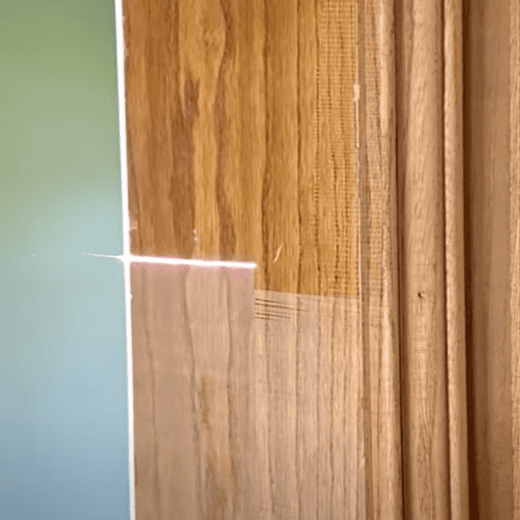
Cleaning laser machines work on most materials: Metals (steel, stainless steel, aluminum, copper, brass, titanium), non-metals (plastics, rubber, stone, ceramics, concrete, glass), and composites (carbon fiber, fiberglass). The key is matching laser parameters to the specific material and contaminant combination.
Buying Mistakes to Avoid
The Cheap Machine Trap
Machines advertised under $2,500 often have serious problems that cost more in the long run. We’ve seen buyers spend $2,000 on machines that fail within 18 months, then spend another $5,500 on a quality replacement—wasting time, money, and experiencing significant downtime.
Mistake #1: Fake Power Ratings
Many budget machines advertise “1500W” but actually deliver only 600-800W. This is the most common deception in the market.
Red flags:
- Prices significantly below market ($1,500-2,000 for claimed “1500W”)
- Vague specifications without detailed technical data
- No brand-name laser source listed or “self-developed” claims
- Seller cannot provide laser source certification
Solution: Ask for the laser source certificate showing actual rated power. Legitimate sellers will provide this documentation.
Mistake #2: Inferior Laser Sources
Quality sources (Raycus, MAX, JPT, IPG) last 100,000+ hours. Cheap no-name sources may last only 20,000 hours—that’s 5x shorter lifespan. At 8 hours/day operation, a quality source lasts 34+ years, while a cheap source fails in just 7 years. Always verify the laser source brand before purchasing.
Mistake #3: No After-Sales Support
The cheapest sellers often disappear after the sale. Before buying, ask:
- Where are spare parts sourced? What’s the lead time?
- What’s the response time for technical issues?
- Is there a local service partner or distributor?
- Can you speak with existing customers for references?
No clear answers = walk away, regardless of price.
Mistake #4: Ignoring Total Cost of Ownership
A $2,000 machine lasting 2 years costs $1,000/year. A $5,500 machine lasting 10+ years costs $550/year. When you factor in downtime, repairs, and replacement costs, the “cheap” option often costs 2-3x more over time. Always calculate cost-per-year, not just upfront price.
Mistake #5: Wrong Power for the Job
Underpowered machines struggle with tough jobs, leading to slow cleaning, frustration, and poor results. Common mistakes:
- Buying 1500W for heavy rust that needs 2000W+
- Choosing CW when the application needs pulsed precision
- Underestimating future needs and buying too small
Rule of thumb: When in doubt, go one power level higher than minimum needed. The extra cost is minor compared to the flexibility gained.
Chinese vs European Brands: The Truth
This is one of the most common questions—and most misunderstood topics.
Why European Brands Cost 3-10x More
European brands (P-Laser, Laserax, etc.) price machines at $30,000-$100,000+. The premium covers: brand reputation, local service networks, CE/FDA certifications for regulated industries, and higher labor costs. But here’s the key insight: many use the same laser sources as Chinese machines (IPG or quality Chinese sources like Raycus).
When Chinese Brands Make Sense
- Small to medium businesses where $30,000+ isn’t justifiable
- Applications not requiring specific certifications
- When you choose reputable manufacturers with proper support
When European Brands Make Sense
- Large enterprises requiring local service contracts
- Regulated industries needing specific certifications
- When downtime cost exceeds equipment cost
Laser Source Brand Comparison
Brand | Origin | Lifespan | Price Level | Notes |
IPG | Germany/USA | 100,000+ hrs | Premium ($$$) | Industry gold standard, highest reliability |
Raycus | China | 100,000+ hrs | Value ($$) | Best price-performance, widely used |
MAX | China | 100,000+ hrs | Value ($$) | Strong performance, good support |
JPT | China | 100,000+ hrs | Value ($$) | Excellent for pulsed applications |
Unknown/Generic | Various | 20,000-50,000 hrs | Cheap ($) | Avoid—short lifespan, unreliable |
💡 Pro Tip: Quality Chinese manufacturers using Raycus/MAX/JPT sources offer 80-90% of European performance at 20-30% of the price. The key is vetting the manufacturer—check reviews, ask for references, verify laser source authenticity.
Should You Rent or Buy?
This is a critical decision that many buyers don’t consider carefully enough. Here’s how to make the right choice:
Factor | Rent | Buy |
Best for | Project work, testing, limited capital | Regular use (10+ hrs/week), long-term |
Typical cost | $500-$1,500/week | $3,800-$18,000 one-time |
Break-even | N/A | vs rental: 8-16 weeks |
Flexibility | Try different power levels | Committed to one machine |
Availability | May not be available when needed | Always available |
When Renting Makes Sense
- One-time projects:Restoration jobs, specific contracts with defined end dates
- Testing before buying:Try different power levels or configurations
- Cash flow constraints:When capital is limited but the project is profitable
- Seasonal work:Only need the machine a few months per year
When Buying Makes Sense
- Regular use:More than 10 hours per week, ongoing needs
- Core business tool:Cleaning is central to your service offering
- Long-term investment:Building equipment assets for the business
- Availability critical:Can’t afford to wait for rental availability
Financial Reality Check: At $1,000/week rental, you reach the purchase price of a $5,500 machine in just 5.5 weeks. If you’ll use the machine more than 15-20 weeks total over its lifetime, buying almost always makes more financial sense. Rent first only if you’re genuinely uncertain about your needs.
How to Choose the Right Machine
Choosing the right cleaning laser machine is critical—the wrong choice leads to poor results, frustration, and wasted money. Follow this systematic approach:
Step 1: Define Requirements
Start by answering these essential questions:
- What materials will you clean?(Steel, aluminum, plastics, stone, etc.)
- What contaminants need removal?(Light rust, heavy rust, paint, oil, oxides)
- What precision level is required?(General cleaning vs delicate/precision work)
- What volume?(Occasional projects vs daily production use)
- What’s your workspace?(Field work requiring portability vs fixed shop location)
Step 2: Match Power to Task
Light rust/precision → 50-100W pulsed. Medium rust/paint → 100-300W or 1500W CW. Heavy industrial → 2000-3000W CW. When uncertain, go higher.
Step 3: Choose Configuration
- Handheld/Portable:Field work, flexibility, spot cleaning
- Fixed/Integrated:Production lines, automation
- Cabinet:Labs, hazardous materials, safety-critical
Step 4: Verify Supplier
- Laser source brand (Raycus, MAX, JPT, IPG)
- Warranty terms (standard: 1-2 years)
- Technical support responsiveness
- Spare parts availability
Key Features to Evaluate
Feature | What to Look For | Why It Matters |
Laser Source | Raycus, MAX, JPT (value) or IPG (premium) | Determines lifespan and reliability |
Cooling System | Air-cooled (portable) or Water-cooled (continuous use) | Affects duty cycle and portability |
Scan Width | 10-300mm range, adjustable | Wider = faster large area cleaning |
Control Interface | Touch screen, preset modes, parameter storage | Ease of use and consistency |
Safety Features | Interlock, E-stop, warning indicators | Operator protection and compliance |
Quick Checklist: ✓ Requirements defined ✓ Power level selected ✓ Configuration chosen ✓ Supplier vetted ✓ Laser source verified ✓ Warranty confirmed
Maintenance & Troubleshooting
Maintenance Schedule
Frequency | Task |
Weekly | Clean/inspect protective lens |
Monthly | Check cooling system fluid, clean filters |
Quarterly | Inspect fiber cables, clean housing |
Annually | Professional inspection, calibration check |
Common Problems & Fixes
Problem | Likely Cause | Solution |
Reduced cleaning power | Dirty protective lens | Clean or replace lens ($10-50) |
Gradual power drop | Fiber bend or cooling issue | Check fiber path, inspect chiller |
Uneven scan width | Galvo needs calibration | Run calibration routine |
Machine won’t start | Safety interlock triggered | Check all covers/doors closed |
Frequent overheating | Cooling system issue | Clean filters, check fluid level |
Extending Lifespan to 15+ Years
- Keep environment clean (temperature 0-40°C, low humidity)
- Never bend fiber cables sharply (minimum 200mm radius)
- Use quality power supply with surge protection
- Follow manufacturer maintenance schedule
- Address small issues before they become big problems
When to Call for Professional Service
While most maintenance is simple, some situations require professional attention:
- Power degradation over 20%from original spec—may indicate laser source aging
- Unusual sounds or vibrationsfrom the scanning head
- Cooling system leaksor persistent overheating
- Error codesthat don’t clear after standard troubleshooting
- Fiber optic damage—never attempt DIY fiber repair
Maintenance Cost Reality: Unlike sandblasting or chemical cleaning that require constant consumable purchases, laser cleaning maintenance costs typically run only $100-500/year. The main expense is the occasional protective lens replacement ($10-50 each). This near-zero consumable cost is a major reason for laser cleaning’s excellent long-term ROI.
Safety Requirements
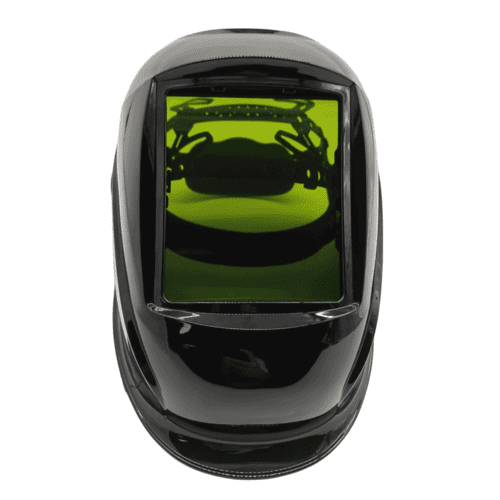
Required Personal Protective Equipment
Equipment | Specification | Purpose |
Laser Safety Glasses | OD5+ at 1064nm | Eye protection from direct/reflected beams |
Protective Gloves | Heat-resistant | Hand protection from hot surfaces |
Long-Sleeve Clothing | Non-reflective fabric | Skin protection from scattered radiation |
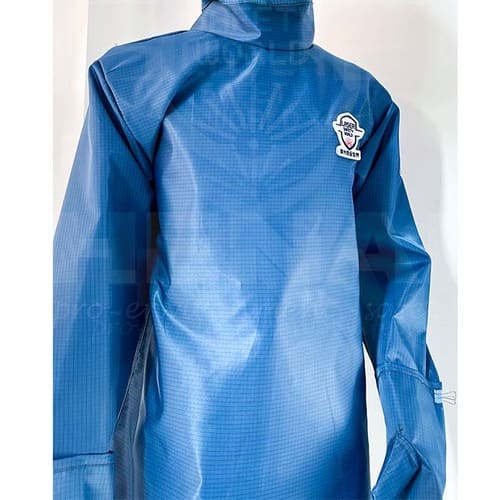
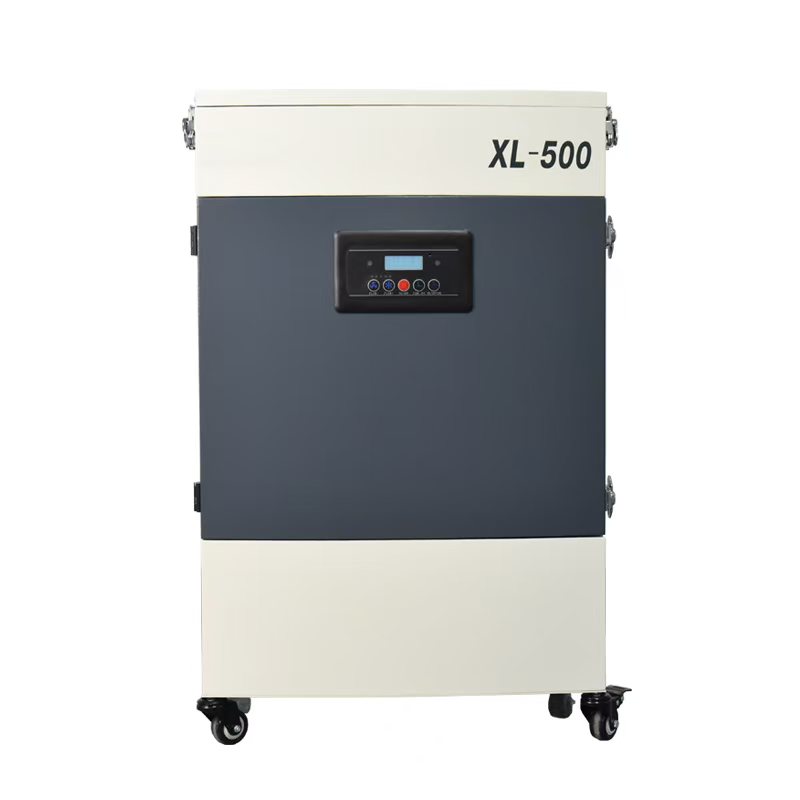
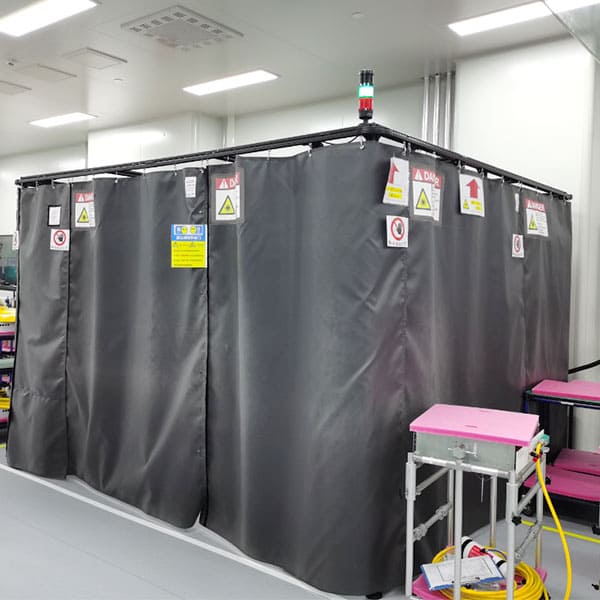
Workspace Requirements
- Fume Extraction:Essential for capturing vaporized contaminants
- Controlled Access:Restrict area to trained operators only
- Warning Signs:Post laser hazard signs at all entry points
- Non-Reflective Surfaces:Remove mirrors and shiny objects from work area
- Fire Safety:Keep extinguisher accessible, remove flammables
Safety Note: Despite being a Class 4 laser, cleaning laser machines are actually safer than chemical cleaning methods—no toxic fumes, no hazardous waste disposal, no chemical exposure. With proper PPE and protocols, laser cleaning is one of the safest industrial cleaning methods available.
Frequently Asked Questions
Entry-level CW machines start at $3,800-$5,500 (1500W). Mid-range CW: $5,500-$12,000 (2000-3000W). Pulsed lasers: $6,500-$18,000+ (50-500W). Avoid anything under $2,500—they typically have fake specs.
Yes for most applications. Laser offers: no surface damage, zero consumables, 2-5x faster speed, eco-friendly operation. Sandblasting only wins for very large rough areas where precision doesn't matter.
No. Sub-$2,500 machines typically have fake power ratings (advertised 1500W, actual 600-800W), short-lived laser sources (20,000 vs 100,000 hours), and no real support. The 3-year total cost often exceeds buying quality.
They often use identical laser sources. European costs 3-10x more for brand premium and local service. Quality Chinese manufacturers offer excellent value for SMBs. Large enterprises needing local service contracts may prefer European.
50-100W: precision/restoration. 100-300W: medium rust, paint, weld prep. 1500-2000W: general industrial. 3000W+: heavy-duty. When uncertain, choose one level higher.
Buy if using 10+ hours/week long-term. Rent ($500-1,500/week) for project work, testing, or limited capital. Break-even: typically 8-16 weeks of rental equals purchase price.
Quality machines: 10-15 years. Laser sources: 100,000+ hours. Cheap machines: often only 2-3 years. Proper maintenance extends lifespan significantly.
Minimal: clean protective lens weekly, check cooling monthly, inspect fiber quarterly. No consumables. Annual professional inspection recommended for industrial use.
Rust, paint, coatings, oil, grease, oxides, weld discoloration, mold release agents. Works on: steel, aluminum, copper, brass, titanium, plastics, rubber, stone, ceramics.
Yes with proper precautions: OD5+ laser glasses, fume extraction, controlled work area. Actually safer than chemical cleaning—no toxic substances or hazardous waste.
No, when properly configured. Laser cleaning uses selective absorption—contaminants absorb energy at much higher rates than clean metal. With correct settings, the substrate remains undamaged. Pulsed lasers offer extra protection for heat-sensitive materials.
Quality fiber laser sources (Raycus, MAX, JPT, IPG) are rated for 100,000+ hours—that's over 11 years of continuous 24/7 operation. In typical industrial use, expect 15-20+ years from the laser source alone.
For small shops and hobbyists, yes—they offer good versatility at $5,000-$12,000. However, each function performs at 70-80% of dedicated machines, and switching modes takes time. Not recommended for high-volume production where efficiency matters.
The Bottom Line
A cleaning laser machine is a smart investment for businesses doing regular rust removal, paint stripping, or surface preparation. With prices starting at $3,800 for quality entry-level machines and ROI typically achieved in 6-14 months, the technology has become accessible to small businesses and hobbyists alike.
Our top recommendations:
- Best value for general use:1500-2000W CW with Raycus/MAX source ($4,500-$7,000)
- Best for precision work:200-300W pulsed with JPT source ($6,000-$12,000)
- Best for hobbyists/small shops:1500W CW portable ($3,800-$5,000)
The key is avoiding cheap machines with fake specs, choosing reputable suppliers with real support, and matching power level to your actual needs. Do this right, and you’ll have a reliable tool that pays for itself many times over.
Related Resources
Laser Cleaning Cost Per Hour: What We’ve Learned from 500+ Projects DC
ost Per Hour: What We’ve Learned from 50 ost Per Hour: What We’ve Learned from 50 Laser Cleaning Cost Per […]
Precision Laser Cleaning
Precision Laser Cleaning Table of Contents What Is Precision Laser Cleaning? If you’ve ever struggled with rust removal, paint stripping, […]
Laser Wood Stain Remover: Does It Really Work? A Complete Guide with Real Results
Laser Wood Stain Remover: Does It Really Work? A Complete Guide with Real Results Table of Contents Last Updated: January […]
Laser Stain Removal: Complete Guide to Cleaning Wood, Metal & Stone [2026]
Laser Stain Removal: Complete Guide to Cleaning Wood, Metal & Stone [2026] Table of Contents Quick Summary: Laser stain removal is […]
What Is Laser Cleaning?
What Is Laser Cleaning? Table of Contents Laser cleaning is a process that uses pulsed laser light to strip rust, […]
Laser Cleaning Business: Real Income Data from 47 Business Owners (2026 Guide)
Laser Cleaning Business: Real Income Data from 47 Business Owners (2026 Guide) Table of Contents If you’re researching how to […]