
Laser Wood Stain Remover: Does It Really Work? A Complete Guide with Real Results

Dawn Huang | Founder of Chihalo Laser | M.Sc. Engineering (HKU)
Hi! I am Dawn. With 10 years of field experience, I specialize in laser cleaning systems—from optical sourcing to automation. I write here to turn complex specs into actionable buying guides.
Welcome to contact me at dawn@chihalo.com or WhatsApp at +86 18608325040!
Table of Contents
Last Updated: January 2026
Discover how laser technology safely removes paint, varnish, and stains from wood without chemicals or damage. See real before/after results and find out if it’s right for your project.
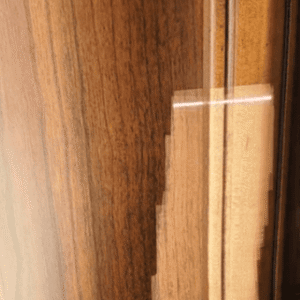
Show Image A 10-year-old oak cabinet restored using laser stain removal technology — no sanding, no chemicals, no damage to the original wood grain.
If you’re researching laser wood stain remover technology, you probably have one burning question: Does this actually work, or is it just marketing hype?
The short answer is yes, it works — but with important conditions you need to understand before investing thousands of dollars in equipment or hiring a service.
In this comprehensive guide, we’ll show you:
- Real before/after results from actual projects
- Exactly what coatings laser can (and can’t) remove
- How it compares to sanding and chemical strippers
- Whether buying equipment or hiring a service makes more sense for your situation
Let’s dive into the honest facts.
Does Laser Wood Stain Removal Actually Work? (The Honest Answer)
Yes, laser wood stain removal is a proven technology used by furniture restoration professionals, historic preservation specialists, and industrial manufacturers worldwide. However, its effectiveness depends on what you’re trying to remove.
What Laser CAN Remove Successfully
Laser wood stain removers work exceptionally well on:
Coating Type | Effectiveness | Notes |
Water-based paint | ⭐⭐⭐⭐⭐ Excellent | Single pass for most applications |
Latex paint | ⭐⭐⭐⭐⭐ Excellent | Clean removal without residue |
Thin varnish layers | ⭐⭐⭐⭐⭐ Excellent | Preserves wood grain perfectly |
Wood stain (surface) | ⭐⭐⭐⭐⭐ Excellent | Ideal for refinishing projects |
Mold and mildew | ⭐⭐⭐⭐⭐ Excellent | Sanitizes while cleaning |
Soot and smoke damage | ⭐⭐⭐⭐⭐ Excellent | Removes without water damage |
Graffiti on wood | ⭐⭐⭐⭐ Very Good | Most spray paints remove easily |
Oil-based paint | ⭐⭐⭐⭐ Very Good | May need 2-3 passes for thick layers |
Key insight: Coatings under 300 micrometers (about 0.3mm) thick typically remove in a single pass. Thicker coatings may require multiple treatments.
What Laser Struggles With (Honest Limitations)
Not every coating responds well to laser treatment. Here’s what you need to know:
Coating Type | Effectiveness | Why It’s Challenging |
Epoxy coatings | ⚠️ Limited | Extremely strong adhesion to wood fibers |
Polyurethane (thick) | ⚠️ Limited | High heat resistance, multiple passes needed |
2K/Two-component paint | ⚠️ Limited | Chemical bonding makes complete removal difficult |
UV-cured coatings | ⚠️ Limited | Reflects laser energy rather than absorbing it |
Baked enamel | ⚠️ Limited | High-temperature bonding is hard to break |
Deep-penetrating stain | ❌ Poor | Stain absorbed into wood cannot be vaporized |
Pro tip: If you’re unsure about your specific coating, always test on an inconspicuous area first. A reputable service provider will offer this as standard practice.
Will It Burn or Damage the Wood?
This is the most common concern — and the answer is no, when the equipment is properly calibrated.
Here’s why laser cleaning is safe for wood:
1.Selective absorption: Paint and coatings absorb laser energy much faster than bare wood
2.Pulsed delivery: Energy is delivered in extremely short bursts (nanoseconds), so heat doesn’t penetrate deeply
3.Automatic stopping point: Once the coating is removed, the wood naturally reflects more energy, preventing over-treatment
4.Adjustable parameters: Power, speed, and focus can be fine-tuned for different wood types
The technology has been trusted for decades in museum conservation, where irreplaceable antiques and artifacts require the gentlest possible treatment.
Real Results: Before and After Laser Wood Cleaning
Seeing is believing. Here are documented results from real laser wood stain removal projects:
Case Study 1: Antique Oak Cabinet (Multiple Paint Layers)
The Challenge: A 100-year-old oak cabinet with 5+ layers of accumulated paint, including lead-based primers from different eras.
Equipment Used: 300W pulsed fiber laser
Results:
- Complete paint removal without sanding
- Original wood grain revealed in pristine condition
- Intricate carved details preserved perfectly
- Processing time: 2.5 hours for entire cabinet
Client feedback: “We tried chemical strippers first and nearly ruined the piece. The laser removed everything in one session without touching the wood underneath.”
Case Study 2: Hardwood Floor Renovation
The Challenge: 200 square feet of hardwood flooring with oil-based polyurethane finish that had yellowed over 30 years.
Equipment Used: 500W pulsed laser system
Results:
- Complete finish removal
- No dust (unlike sanding)
- Wood ready for new finish immediately
- Processing time: 6 hours (vs. 2-3 days traditional sanding)
Case Study 3: Historic Building Restoration
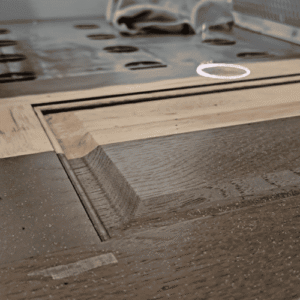
The Challenge: Decorative wooden ceiling beams in a 150-year-old church, covered in layers of paint and smoke residue.
Equipment Used: 200W portable pulsed laser
Results:
- Original decorative carvings revealed
- No scaffolding damage from heavy equipment
- Zero chemical runoff concerns
- Met historic preservation requirements
Case Study 4: Wooden Door Refinishing
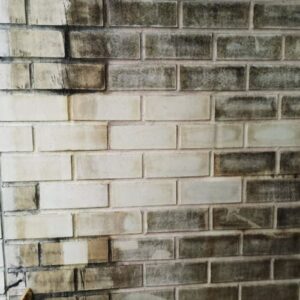
The Challenge: Batch of 15 solid wood doors with multiple coats of latex paint for a commercial renovation.
Equipment Used: 300W continuous laser system
Results:
- All 15 doors stripped in one day
- Consistent results across all pieces
- Ready for immediate priming and painting
- 70% faster than traditional methods
How Does Laser Wood Stain Removal Work?
Understanding the technology helps you make better decisions about whether it’s right for your project.
The Science Behind Laser Ablation (Simple Explanation)
Laser wood stain removal works through a process called laser ablation:
- Focused energy: A high-powered laser beam is directed at the wood surface
- Selective absorption: The coating (paint, stain, varnish) absorbs the laser energy
- Rapid heating: The coating heats up almost instantly (within nanoseconds)
- Vaporization: The coating turns to vapor or breaks into tiny particles
- Extraction: A vacuum system removes the debris
Why the wood isn’t damaged: Wood has different optical properties than most coatings. It absorbs laser energy more slowly and reflects more light, creating a natural “stopping point” once the coating is removed.
Think of it like this: the laser is like sunlight through a magnifying glass. Dark coatings absorb the energy and heat up quickly, while lighter wood reflects more energy and stays cooler.
Pulse vs. Continuous Laser: Which Is Better for Wood?
There are two main types of laser systems used for wood cleaning:
Feature | Pulsed Laser | Continuous Laser |
How it works | Short, powerful bursts | Constant beam output |
Precision | ⭐⭐⭐⭐⭐ Very High | ⭐⭐⭐ Moderate |
Heat buildup | Minimal | Requires monitoring |
Best for | Antiques, detailed work, thin coatings | Large areas, thick industrial coatings |
Speed | Moderate | Faster |
Wood recommendation | ✅ Preferred | ⚠️ Use with caution |
Price range | $3,000-$25,000+ | $4,500-$12,000+ |
Our recommendation: For most wood restoration applications, pulsed laser systems are the safer choice. They deliver energy in controlled bursts, minimizing the risk of heat damage to the underlying wood.
Laser vs. Sanding vs. Chemical Stripping: Which Is Best?
This comparison will help you understand when laser makes sense versus traditional methods.
Complete Comparison Table
Factor | Laser Removal | Sanding | Chemical Stripping |
Damage to wood | None | Removes wood material | Chemical residue possible |
Precision | Extremely high | Low | Low |
Processing speed | Fast | Slow | Medium |
Dust/debris | Minimal (vacuum extracted) | Significant | Chemical waste |
Environmental impact | Very low | Moderate | High (toxic chemicals) |
Operator safety | High (with goggles) | Moderate (dust hazard) | Low (fumes, skin contact) |
Works on detailed carvings | ✅ Yes | ❌ No | ⚠️ Limited |
Setup complexity | Medium | Low | Low |
Upfront cost | High | Low | Low |
Per-project cost (long term) | Low | Medium | Medium |
Skill required | Moderate training | Physical labor | Chemical handling |
When Laser Is the Clear Winner
Choose laser wood stain removal when:
- Working with antiques or valuable pieces— zero risk of removing wood material or damaging patina
- Restoring detailed carvings or inlays— laser follows contours that sandpaper can’t reach
- Large-scale commercial projects— time savings of 50-80% compared to sanding
- Environmental compliance is required— no chemical disposal, no toxic fumes
- Indoor work with limited ventilation— no dust clouds or chemical fumes
- Preparing surfaces for high-end finishes— perfectly clean surface without scratches
When Traditional Methods Might Still Make Sense
Be honest: laser isn’t always the best choice:
- Very small touch-up areas— setting up laser equipment isn’t cost-effective
- Extremely tight budgets— initial equipment cost is significant
- Simple flat surfaces with thin finish— basic sanding may be faster
- When you need a textured surface— some finishes adhere better to sanded surfaces
Is It Worth the Cost? Real Price Breakdown
Understanding the true costs helps you make an informed decision.
Equipment Purchase Costs
Category | Price Range | Best For |
Entry-level | $4,500 – $8,000 | Small workshops, DIY enthusiasts, occasional use |
Professional | $7,000 – $25,000 | Furniture restoration businesses, contractors |
Industrial | $20,000 – $25,000+ | Manufacturing, high-volume commercial use |
What’s included at each level:
- Entry-level: Basic handheld unit, 100-200W power, air-cooled
- Professional: 200-500W power, better optics, water-cooled options
- Industrial: 500W+, automation capability, extended warranties
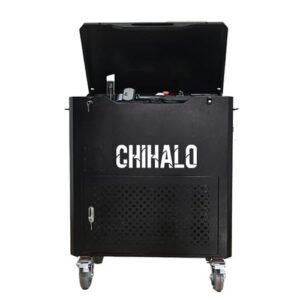
Check all Chihalo Pulse Laser Cleaning Machines
Professional Service Costs
If buying equipment doesn’t make sense, hiring a service is an excellent option:
Pricing Model | Typical Range | Best For |
Hourly rate | $50 – $150/hour | Small projects, detailed work |
Per square foot | $3 – $10/sq ft | Floors, decks, large flat surfaces |
Per piece | $100 – $500+ | Furniture, doors, cabinets |
Project quote | Varies | Complex or custom work |
ROI Calculator: Should You Buy or Hire?
Use this simple framework to decide:
Consider buying equipment if:
- You have 500+ square feet of cleaning per year
- Multiple ongoing projects over 2+ years
- You’re a business that can amortize equipment costs
- Quick turnaround is critical for your operations
Consider hiring a service if:
- This is a one-time or occasional project
- Total project area is under 500 square feet
- You don’t want to learn equipment operation
- You need guaranteed professional results
Break-even example:
- Equipment cost: $6,000
- Service cost: $100/hour average
- Break-even point: ~60 hours of use (approximately 10-15 medium furniture projects)
Common Applications: What Projects Can You Use It For?
Laser wood stain removal technology serves diverse markets and applications.
Furniture Restoration
- Antique furniture refinishing
- Heirloom piece restoration
- High-end furniture repair
- Custom woodworking preparation
Why it excels: Preserves original wood character, works on intricate details, no risk of over-sanding valuable pieces.
Hardwood Floors and Decks
- Indoor hardwood floor refinishing
- Outdoor deck restoration
- Gymnasium floor preparation
- Commercial flooring renovation
Why it excels: No dust containment needed, faster than drum sanders, doesn’t remove wood material (preserves floor thickness).
Cabinet and Door Refinishing
- Kitchen cabinet makeovers
- Commercial door stripping
- Millwork restoration
- Panel preparation
Why it excels: Handles raised panel details, removes paint from edges and profiles, consistent results on large batches.
Historic Building Preservation
- Church and chapel restoration
- Museum artifact conservation
- Heritage building maintenance
- Architectural woodwork preservation
Why it excels: Meets strict preservation standards, no chemical contamination, preserves original surfaces.
Boat and Marine Wood
- Yacht interior restoration
- Deck refinishing
- Brightwork maintenance
- Marine furniture repair
Why it excels: No chemicals entering waterways, works well on teak and marine hardwoods, removes salt and UV damage.
How to Choose the Right Laser Wood Stain Remover
If you’re considering purchasing equipment, here’s what to evaluate.
Key Specifications Explained
Specification | Recommended Range | Why It Matters |
Power | 200-500W for most wood | Higher power = faster cleaning, but more heat management needed |
Laser type | Pulsed fiber | Best control for delicate wood surfaces |
Wavelength | 1064nm | Standard for fiber lasers, effective on organic coatings |
Pulse frequency | 20-100 kHz adjustable | Flexibility for different materials |
Scan speed | 10,000-30,000 mm/s | Faster speeds increase productivity |
Cooling | Air or water | Water-cooling for extended operation |
Weight | Under 3 kg for handheld gun | Operator fatigue on long projects |
Chihalo Recommandation

Questions to Ask Before Buying
Use this checklist when evaluating equipment:
About Your Needs:
- What coatings will you primarily remove?
- What’s your typical project size?
- How many hours per week will you use it?
- Do you need portability?
- What’s your electrical capacity?
About the Equipment:
- What’s the source brand and models?
- What’s the cleaning system?
- What components included?
- Is training included?
- What’s the warranty period?
- Are replacement parts readily available?
- What’s the typical maintenance schedule?
- Is technical support available in your region?
About the Vendor:
- How long have they been in business?
- Are you factory or trade?
- Do you have R&D in laser cleaning?
- What’s the after-sale details?
- Can they provide references?
- Do they offer demos or trials?
- What’s their return policy?
Questions to Ask Before Hiring a Service
- What equipment do they use (power, type)?
- Do they have experience with your specific application?
- Can they show before/after photos of similar projects?
- Is their pricing all-inclusive (setup, cleanup, disposal)?
- Are they insured?
- Do they offer a satisfaction guarantee?
- Do they warranty for the base surface?
Safety Tips for Laser Wood Cleaning
Proper safety practices protect both operators and bystanders.
Essential Safety Equipment
Equipment | Purpose | Requirement |
Laser safety goggles | Eye protection from reflected laser | Mandatory (OD 5+ at 1064nm) |
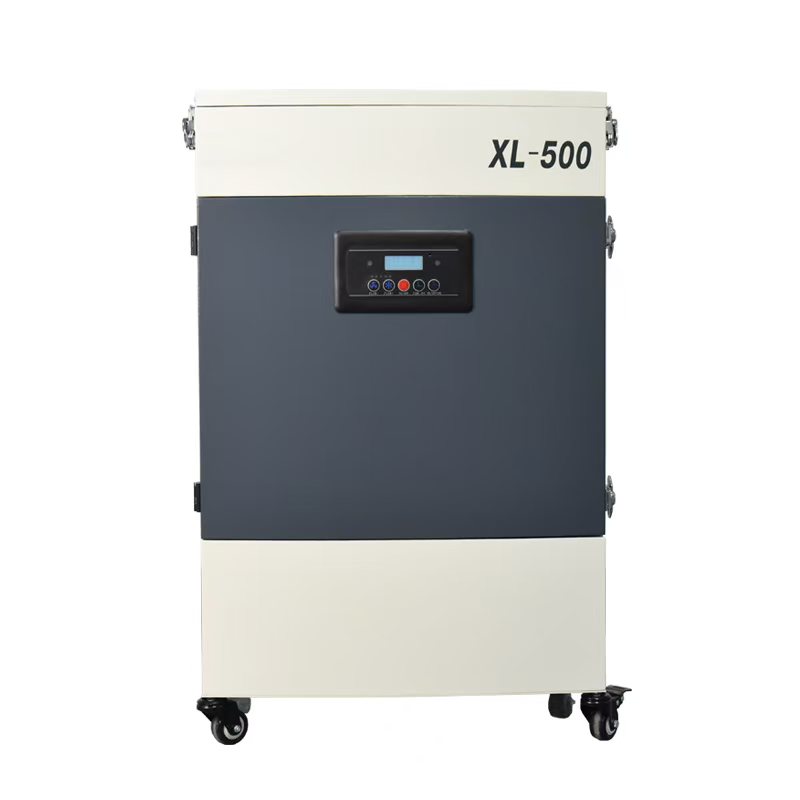
Fume extraction system | Remove vaporized coating particles | Mandatory |
Protective gloves | Hand protection from debris | Recommended |
Long sleeves | Skin protection | Recommended |
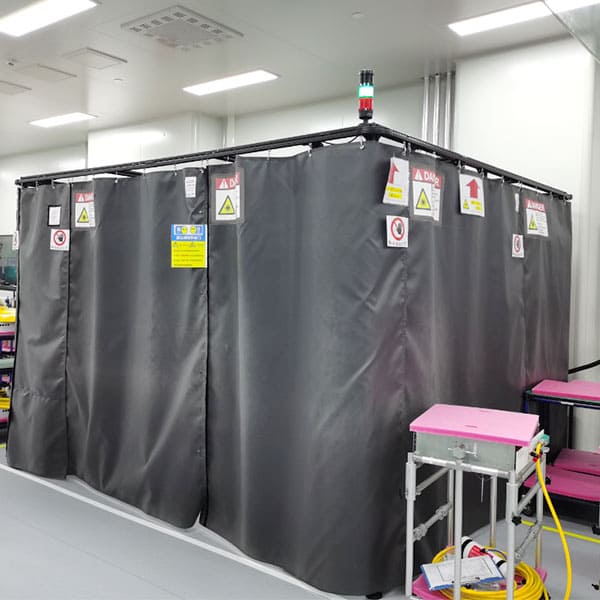
Safety barriers | Prevent unauthorized access | Required for Class 4 lasers |
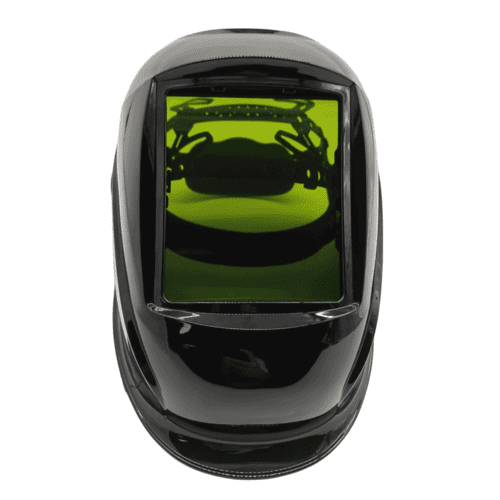
Notice
- Never bypass safety interlocks— they exist to protect you
- Ensure adequate ventilation— even with extraction, maintain airflow
- Avoid reflective surfaces— remove mirrors, polished metal from work area
- Post warning signs— alert others that laser operation is in progress
- Complete manufacturer training— don’t self-teach on expensive equipment
- Test unfamiliar materials— some coatings may contain hazardous substances
- Keep a fire extinguisher nearby— as with any heat-generating equipment
Frequently Asked Questions
A: Yes, laser wood stain removal is highly effective for most common coatings including water-based paint, latex paint, varnish, and wood stains. The technology has been proven in thousands of furniture restoration, floor refinishing, and historic preservation projects worldwide. Pulsed laser systems can remove coatings up to 300 micrometers thick in a single pass without damaging the wood underneath. However, some coatings like epoxy and polyurethane may require multiple passes or alternative methods.
A: No, when properly calibrated. Pulsed lasers deliver energy in extremely short bursts (nanoseconds), so heat doesn't penetrate deep enough to char or damage the wood fibers. The coating absorbs laser energy much faster than bare wood, allowing selective removal. The wood's natural properties create a "stopping point" once the coating is gone. Always test on an inconspicuous area first, and ensure equipment is set correctly for your specific wood type.
A: Laser struggles with several coating types: epoxy coatings (extremely strong adhesion), polyurethane (high heat resistance), 2K two-component paints (chemical bonding), UV-cured finishes (reflects rather than absorbs laser), baked enamel (high-temperature bonding), and deep-penetrating stains that have absorbed into the wood fibers. For these materials, you may need multiple passes, higher power, or alternative removal methods.
A: For most restoration projects, yes. Laser cleaning offers superior precision, doesn't remove any wood material (preserving thickness and original character), creates no dust, and is significantly faster for large areas. It's also the only option for detailed carvings and inlays where sandpaper can't reach. However, sanding may still be preferred for very small touch-ups, creating textured surfaces for better finish adhesion, or when budget constraints make equipment costs prohibitive.
A: Entry-level pulsed laser cleaning machines suitable for wood start around $3,500-$6,000 and are appropriate for small workshops or occasional DIY use. Professional-grade systems range from $6,000-$10,000, while industrial systems designed for high-volume commercial use can exceed $15,000. Hiring a professional laser cleaning service typically costs $50-$150 per hour, or $3-$10 per square foot for large flat surfaces like floors.
A: The break-even point for equipment purchase is typically around 60 hours of use (equivalent to 10-15 medium furniture projects). Buy equipment if you have ongoing cleaning needs exceeding 500 square feet annually, operate a restoration business, or need immediate availability. Hire a service for one-time projects, total areas under 500 square feet, when you want guaranteed professional results, or when you prefer not to learn equipment operation.
A: Usually minimal or no sanding is needed. Laser cleaning leaves a very clean surface that's ready for finishing in most cases. However, for furniture-grade finishes requiring absolute perfection, a light sanding with 220+ grit may help smooth any slightly raised wood grain before applying new finishes. This is much less work than the heavy sanding required after chemical stripping.
A: Yes, laser wood cleaning is one of the most environmentally friendly paint removal methods available. It uses no chemicals, produces no toxic runoff, and generates no liquid waste. The vaporized coating particles are captured by a vacuum extraction system. Operators must wear laser safety goggles and ensure proper ventilation, but there are no fumes or chemical exposure risks like with traditional strippers. This makes laser ideal for indoor use and environmentally sensitive locations.
A: Laser cleaning works on virtually all wood types, including hardwoods (oak, maple, walnut, mahogany, cherry) and softwoods (pine, cedar, fir, spruce). Parameters are adjusted based on wood density — softwoods require lower power settings to prevent surface damage. The technology works equally well on solid wood, plywood, and veneer surfaces, though extra care is needed with thin veneers.
A: Speed depends on surface area, coating thickness, laser power, and the specific coating type. As a general reference: a 300W pulsed laser can clean approximately 10-20 square feet per hour for typical paint removal, or 1-2 medium furniture pieces per hour. Industrial 500W+ systems are significantly faster. A full kitchen's worth of cabinet doors might take 4-6 hours, while a hardwood floor room could take 1-2 hours per 100 square feet.
A: Yes, laser cleaning is ideal for antiques and is the preferred method for museum-quality restoration work. Its precision and non-contact nature preserve original wood surfaces, intricate carvings, and historical character that would be compromised by sanding or chemicals. Unlike other methods, laser doesn't remove any wood material, maintaining the piece's authenticity and value. Many professional conservators and auction houses now specify laser cleaning for high-value antique furniture restoration.
A: Pulsed lasers fire energy in short, controlled bursts (nanoseconds to microseconds), offering higher precision and minimal heat buildup — making them ideal for delicate wood restoration and detailed work. Continuous lasers provide constant beam output for faster processing of large, heavy-duty surfaces but require more careful heat management on wood. For wood applications, pulsed systems are generally recommended because they provide better control and lower risk of thermal damage. Continuous lasers are more suitable for metal cleaning and industrial rust removal.
Conclusion: Is Laser Wood Stain Removal Right for Your Project?
Laser wood stain removal technology offers genuine advantages: precision that preserves original wood, speed that reduces project timelines, and environmental benefits that eliminate chemical waste. However, it’s not a magic solution for every situation.
Quick Decision Guide
Your Situation | Our Recommendation |
High-value antiques, heirlooms, or collectibles | ✅ Strongly recommend laser — zero risk to original material |
Detailed carvings, inlays, or ornate woodwork | ✅ Strongly recommend laser — only method that works effectively |
Large floor or deck refinishing | ✅ Recommend laser — speed and no-dust advantages |
Standard furniture with typical latex/water-based paint | ✅ Recommend laser — excellent results, time savings |
Small DIY touch-up with limited budget | ⚠️ Consider alternatives — equipment cost may not justify |
Thick epoxy or polyurethane industrial coatings | ⚠️ Consult specialist first — may need combined approach |
Single small project under 50 square feet | ⚠️ Consider hiring service — equipment setup not cost-effective |
Your Next Step: Start With a Free Consultation
Ready to explore whether a laser cleaning business is right for you?
What We Offer
- Assess your local market opportunity
- Recommend equipment for your target niche
- Review realistic revenue projections
- Answer your specific questions
- Entry-level to industrial systems
- Financing and leasing available
- Comprehensive training included
- 2-year warranty on all laser sources
Ongoing Support
- Technical assistance when you need it
- Marketing resources and templates
- Connection to our owner community
- Equipment service and maintenance