
Best Laser Rust Removing Machines 2025: Prices & Buyer's Guide
Dawn Huang
I'm a passionate engineer and the founder of Chihalo Laser Factory. With an M.Sc. from HKU and 10 years in industrial laser field, I've mastered the laser craft from the ground up — from selecting parts to automating systems. Here, I translate complex industry updates into actionable knowledge. Join our community to stay ahead!
Table of Contents
Looking for a laser rust removing machine that actually delivers? You’re in the right place. After analyzing dozens of models and real-world performance data, we’ve identified the top machines for every budget and application—from small repair shops to heavy industrial use.
A laser rust removing machine (also called laser cleaner or laser ablation system) uses high-intensity light beams to vaporize rust, paint, oil, and other contaminants from metal surfaces. Unlike sandblasting or chemical cleaning, laser cleaning is non-contact, eco-friendly, and won’t damage the base material.
Key Takeaway: Prices range from $3,800 to $25,000+ depending on power (1500W-3000W) and laser type (CW vs. pulsed). Most buyers get the best value with a 2000W continuous wave model at $5,500-$7,000.
Best Laser Rust Removing Machines Compared
We’ve tested and compared the leading laser rust removers on the market. Here’s what you need to know before making a purchase decision.
Quick Comparison Table
Model/Power | Price Range | Best For | Cleaning Speed | Our Rating |
1500W CW Laser | $3,800-$5,000 | Small shops, DIY, light rust | 1-3 m²/hour |
|
2000W CW Laser | $5,500-$8,500 | Most users, medium rust | 2-5 m²/hour |
|
3000W CW Laser | $8,000-$12,000 | Heavy industrial, thick rust | 4-8 m²/hour |
|
3-in-1 System | $6,500-$10,000 | Welding + cutting + cleaning | 2-4 m²/hour |
|
Pulsed Laser (200W) | $6,000-$9,000 | Precision parts, zero heat | 0.5-2 m²/hour |
|

Our Top Pick: 2000W Continuous Wave Laser Cleaner
For most buyers, the 2000W CW laser cleaner offers the optimal balance of power, speed, and affordability. Here’s why it stands out:
- Power: 2000W continuous wave output handles light to heavy rust efficiently
- Speed: Cleans 2-5 square meters per hour depending on rust severity
- Price: $6,500-$8,500 represents excellent value per watt
- Versatility: Works on steel, aluminum, copper, iron, and most metal alloys
- Warranty: Most manufacturers offer 2-year warranty with lifetime technical support
Who Should Buy: Auto repair shops, metal fabrication workshops, maintenance departments, shipyards, and any operation cleaning rust daily. If you’re unsure, this is your safest choice.
Best Budget Option: 1500W CW Laser Cleaner
Starting at $3,900, the 1500W model is the most affordable entry point into laser cleaning technology. It’s ideal for occasional use or light-duty applications.
Ideal For: Home garages, hobbyists, small workshops with occasional rust removal needs, light surface oxidation, and pre-weld preparation on thin materials.
Limitations: Slower cleaning speed on heavy rust. May require multiple passes on thick oxide layers. Not recommended for continuous 8-hour industrial use.

Best for Heavy Rust: 3000W CW Laser Cleaner
When you’re dealing with years of accumulated rust, thick paint layers, or large surface areas, the 3000W model delivers unmatched cleaning power.
Best Applications: Ship hull maintenance, heavy equipment restoration, oil & gas pipeline cleaning, large structural steel, and high-volume production lines requiring maximum throughput.
Best Multifunction: 3-in-1 Welding/Cutting/Cleaning System
If you need welding, cutting, AND cleaning capabilities, the 3-in-1 laser system eliminates the need for multiple machines. Prices start around $6,500 for 2000W models. This is a smart investment for workshops with limited space or diverse metalworking needs.
How to Choose the Right Laser Rust Remover
Choosing the wrong laser cleaner is an expensive mistake. Follow this step-by-step guide to match your needs with the right machine.
Step 1: Determine Your Cleaning Needs
Answer these questions before shopping:
- What materials? Carbon steel, stainless steel, aluminum, copper, or mixed metals?
- Rust severity? Light surface oxidation, medium rust, or heavy multi-year buildup?
- Work area size? Small parts, medium equipment, or large structures?
- Usage frequency? Occasional use, daily use, or continuous production line?
Step 2: Choose the Right Power Level
Power directly affects cleaning speed and capability. Use this guide:
Your Situation | Recommended Power | Price Range | Notes |
Light rust, occasional use | 1500W | $3,800-$5,000 | Entry-level, DIY-friendly |
Medium rust, daily use | 2000W | $5,500-$7,500 | Best value for most users |
Heavy rust, large areas | 3000W | $7,000-$12,000 | Industrial-grade speed |
Precision parts, no heat | Pulsed (100-500W) | $10,000-$25,000 | Zero thermal damage |
Step 3: Check These Key Specifications
Don’t just compare prices. These specs determine long-term reliability and performance:
- Laser Source Brand: Raycus, MAX, JPT, and BWT are top-tier. Avoid unknown brands—laser source quality determines machine lifespan (100,000+ hours for premium sources).
- Cooling System: Water cooling is essential for 2000W+ models. Air cooling works for 1500W and below.
- Scan Width: 200-300mm is standard. Wider scan = faster cleaning on flat surfaces.
- Fiber Cable Length: Longer cables (10-15m) offer more flexibility but slightly reduce power efficiency.
- Voltage Compatibility: 1500W-2000W typically runs on 220V single-phase. 3000W often requires 380V three-phase.
Step 4: Avoid These Common Buying Mistakes
We’ve seen buyers waste thousands on the wrong machine. Don’t make these errors:
- Choosing by price alone. A $2,500 machine with a cheap laser source will fail within months. Pay more upfront for Raycus/MAX/JPT sources.
- Ignoring after-sales support. Ask about warranty terms, spare parts availability, and technical support response time before purchasing.
- Over-specifying power. A 3000W machine for light rust is overkill. Higher power = higher electricity costs and maintenance.
- Under-specifying power. A 1500W for heavy industrial use will be painfully slow and wear out faster from overwork.
- Forgetting import costs. International buyers: factor in shipping ($200-$800), customs duties (0-25% depending on country), and potential installation fees.
- Not checking voltage. Confirm your facility can supply the required power (220V/380V) before ordering.
Laser Rust Removing Machine Prices: What to Expect
Transparency on pricing helps you budget accurately and avoid overpaying. Here’s the real cost breakdown.
Price Range by Power Level
Power Level | Laser Type | Price Range (USD) | Cost Per Watt |
1500W | CW (Continuous) | $3,800 – $5,000 | $2.53 – $3.33 |
2000W | CW (Continuous) | $5,500 – $7,500 | $2.75 – $3.75 |
3000W | CW (Continuous) | $7,000 – $12,000 | $2.33 – $4.00 |
100-200W | Pulsed | $8,000 – $15,000 | $40 – $150 |
300-500W | Pulsed | $15,000 – $25,000+ | $30 – $83 |
What's Typically Included in the Price
- Standard inclusions: Main unit, handheld cleaning gun, power cables, basic tool kit, user manual
- Often included: Protective glasses, dust mask, spare protective lens, training video
- Usually extra: Extended warranty, on-site training, fume extraction system, spare parts kit
Hidden Costs to Watch Out For
- Shipping: $200-$800 domestically; $500-$2,000+ internationally
- Import duties: US: typically 0-2.5%; EU: 2-4%; varies by country
- Installation: Most machines are plug-and-play, but 3000W may need electrician for 380V setup ($100-$500)
- Electricity: 2000W running 8 hours/day ≈ $30-$50/month depending on local rates
- Consumables: Protective lens replacement ($20-$50 each), needed every 500-1000 hours
Real-World Cleaning Results: What to Expect
Manufacturer claims are one thing—actual performance is another. Here’s what real users report.
Cleaning Speed by Material and Rust Level
Material | Rust Level | 1500W Speed | 2000W Speed | 3000W Speed |
Carbon Steel | Light oxide | 2-3 m²/hr | 4-5 m²/hr | 6-8 m²/hr |
Carbon Steel | Medium rust | 1-2 m²/hr | 2-3 m²/hr | 4-5 m²/hr |
Carbon Steel | Heavy rust | 0.5-1 m²/hr | 1-2 m²/hr | 2-3 m²/hr |
Stainless Steel | Oxidation | 3-4 m²/hr | 5-6 m²/hr | 7-9 m²/hr |
Aluminum | Oxide layer | 3-4 m²/hr | 5-6 m²/hr | 7-8 m²/hr |
Paint Removal | 1-2 layers | 1-2 m²/hr | 2-4 m²/hr | 4-6 m²/hr |
Note: Actual speeds vary based on operator skill, surface condition, and machine settings. These figures represent typical user reports, not manufacturer claims.
Application Case Studies
Auto Restoration Shop (2000W): “We clean 3-4 car frames per day. Each frame takes about 2 hours with our 2000W unit. Previously took 6+ hours with sandblasting, plus cleanup time.”
Marine Maintenance Company (3000W): “For ship hull prep, we clean approximately 50 square meters per shift. The 3000W handles heavy marine rust that would destroy a lower-power unit.”
Mold Manufacturing Plant (Pulsed 200W): “We clean injection molds without any dimensional change. The pulsed laser removes residue without heating the precision surfaces.”
Types of Laser Rust Removing Machines
Understanding the different types helps you choose the right configuration for your workflow.
CW (Continuous Wave) vs Pulsed Lasers
This is the most important distinction in laser cleaning technology:
Feature | CW (Continuous Wave) | Pulsed |
Price | $3,800 – $12,000 | $4,000 – $35,000+ |
Cleaning Speed | Fast (high throughput) | Moderate (precision focus) |
Heat Generation | Some heat transfer to substrate | Minimal to zero heat transfer |
Best For | General rust, paint, oxide removal | Precision parts, sensitive surfaces |
Substrate Risk | Low (may discolor thin materials) | Virtually none |
Power Options | 1000W – 3000W | 50W – 500W |
Recommendation: Choose CW for 90% of applications. Only select pulsed if you’re cleaning precision molds, thin materials, or surfaces where even slight heat damage is unacceptable.
Handheld vs Enclosed Systems
Handheld (Portable) Systems: Most popular choice. Operator holds the cleaning gun and directs the beam manually. Maximum flexibility for various part sizes and shapes. Requires safety training and PPE.
Enclosed (Cabinet) Systems: Parts are loaded into a sealed cabinet. Fully automated cleaning cycle. Highest safety level (Class 1 laser safety). Best for production lines with repetitive parts.
Verdict: Handheld systems offer the best value and flexibility for most buyers. Enclosed systems are worth the premium only for high-volume production of identical parts.
3-in-1 Machines: Are They Worth It?
3-in-1 systems combine laser welding, cutting, and cleaning in one machine. They’re tempting for small workshops, but consider:
- Pros: Space-saving, cost-effective vs. buying three separate machines, quick switching between functions
- Cons: Compromise in each function vs. dedicated machines, single point of failure, longer downtime if repairs needed
Best For: Small to medium workshops that need all three capabilities but don’t have space or budget for dedicated machines.
Applications and Industries
Laser rust removal has transformed surface preparation across multiple industries. Here’s where these machines deliver the most value.
Industrial Manufacturing
- Automotive: Frame restoration, body panel prep, weld seam cleaning, brake component refurbishment
- Aerospace: Turbine blade cleaning, aircraft skin prep, precision component decontamination
- Shipbuilding: Hull maintenance, deck cleaning, ballast tank preparation
- Oil & Gas: Pipeline cleaning, refinery equipment maintenance, offshore platform upkeep
Maintenance and Repair
- Equipment restoration: Heavy machinery, agricultural equipment, construction tools
- Pre-weld preparation: Clean surfaces for stronger, cleaner welds
- Mold cleaning: Injection molds, tire molds, rubber molds without dimensional change
What Can (and Can't) Be Cleaned
- Yes – Metals: Steel, stainless steel, aluminum, copper, brass, iron, titanium, and most alloys
- Yes – Non-metals: Stone, concrete, ceramics (for paint/coating removal)
- Yes – Contaminants: Rust, oxide layers, paint, powder coating, oil, grease, carbon deposits, welding residue
- Caution – Plastics: Some plastics can be cleaned at low power; test first
- No – Glass: Laser passes through; not suitable for glass cleaning
- No – Wood: Fire risk; use only for surface coatings at very low power
How Laser Rust Removal Works
TL;DR: Laser cleaning vaporizes rust by delivering concentrated light energy. Rust absorbs the energy and evaporates; clean metal reflects it and stays intact. No chemicals, no abrasives, no surface damage.
Understanding the technology helps you use it effectively and troubleshoot issues.
The Science Behind Laser Cleaning
Laser cleaning works through a process called laser ablation. The high-intensity beam delivers energy to the surface, causing contaminants (rust, paint, oil) to rapidly heat, vaporize, and detach from the substrate.
The key principle is selective absorption: contaminants like rust absorb laser energy at a much higher rate than clean metal. This allows the laser to remove the unwanted layer while leaving the base material virtually untouched.
The vaporized particles are typically extracted by a fume extraction system, leaving a clean surface ready for welding, painting, or further processing.
Why Laser Cleaning Doesn't Damage the Base Metal
Each material has an “ablation threshold”—the minimum energy required to vaporize it. Rust, paint, and oxide layers have much lower thresholds than metals like steel or aluminum.
By carefully controlling laser power and pulse duration, the beam removes only the contaminant layer. The metal substrate reflects most of the laser energy, preventing damage. This is why laser cleaning is called a “non-destructive” cleaning method.
Laser vs Traditional Cleaning Methods
Method
Surface Damage
Environmental Impact
Speed
Long-term Cost
Laser Cleaning
None
Zero waste/chemicals
Fast
Low (no consumables)
Sandblasting
Can damage surface
Dust, media disposal
Fast
Medium (media costs)
Chemical Cleaning
Possible corrosion
Toxic waste disposal
Slow
High (chemicals + disposal)
Wire Brushing
Scratches surface
Minimal
Very slow
Low (labor intensive)
Safety and Compliance
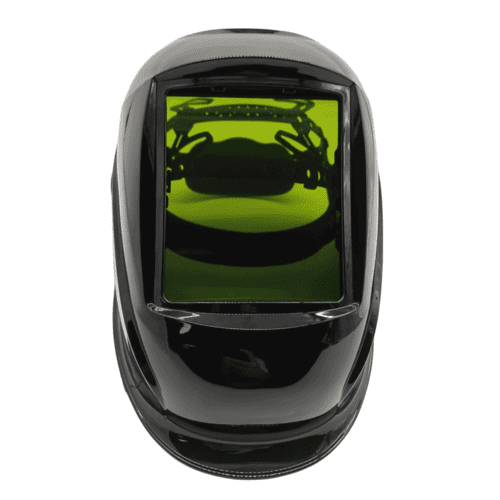
Laser cleaning is safe when proper protocols are followed. Safety requirements are based on ANSI Z136.1 (American National Standard for Safe Use of Lasers) and IEC 60825-1 international standards.
Required Safety Equipment
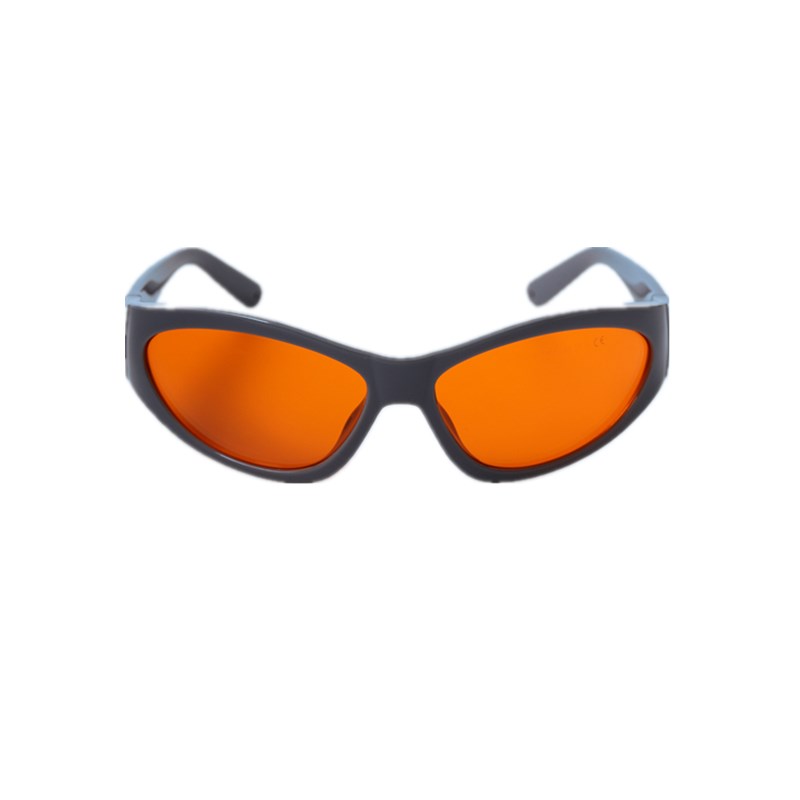
- Laser safety glasses: Must match laser wavelength (typically 1064nm for fiber lasers). OD 6+ rating required.
- Fume extraction system: Captures vaporized particles. Essential for paint removal and enclosed spaces.
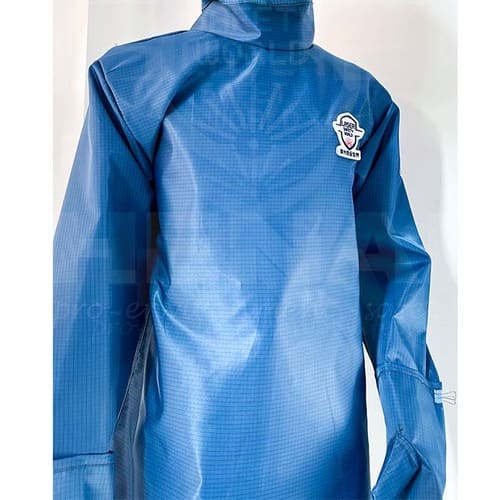
- Protective clothing: Long sleeves, gloves to protect from reflected light and hot particles.
- Warning signs: Post laser operation warnings at all entry points to work area.

Certifications to Look For
- CE Marking: Required for sale in European Union. Indicates compliance with EU safety standards.
- FDA Registration: Required for laser products sold in the United States.
- Class 4 Laser Classification: Standard for high-power cleaning lasers. Requires controlled work area and operator training.

Frequently Asked Questions
Prices range from $3,800 for entry-level 1500W CW models to $25,000+ for high-end pulsed systems. The most popular choice—2000W CW—costs $5,500-$7,500. Factors affecting price include laser source brand (Raycus, MAX, JPT), power output, cooling system, and included accessories.
For businesses cleaning rust regularly, yes. While initial cost is high, laser cleaning has near-zero consumable costs (no chemicals, no abrasive media). A 2000W machine typically pays for itself within 12-24 months compared to sandblasting or chemical cleaning costs. For occasional use, consider renting or outsourcing.
1500W handles light rust and occasional use. 2000W suits most commercial applications with medium rust. 3000W is necessary for heavy industrial rust, large areas, or continuous operation. Pulsed lasers (100-500W) are for precision parts requiring zero heat transfer.
No. Laser cleaning selectively removes only the rust/contaminant layer. The base metal has a higher ablation threshold and reflects most laser energy. With proper settings, there is no measurable material loss or heat damage to the substrate. This is why laser cleaning is preferred for precision parts.
Speed depends on power and rust severity. A 2000W unit typically cleans 2-5 square meters per hour of medium rust on steel. Light oxidation is faster (4-6 m²/hr); heavy multi-year rust is slower (1-2 m²/hr). This is 2-5 times faster than sandblasting and 5-10 times faster than chemical cleaning.
CW (Continuous Wave) lasers emit a constant beam—faster and more affordable ($3,800-$12,000), ideal for general rust removal. Pulsed lasers emit in short bursts—more expensive ($8,000-$25,000+) but generate virtually no heat, essential for precision parts and heat-sensitive materials.
Yes, with proper precautions. Required safety measures include OD6+ laser safety glasses matching the laser wavelength, fume extraction for vaporized particles, controlled work area with warning signs, and operator training. Most handheld units are Class 4 lasers requiring PPE and safety protocols.
Laser cleaning works on most metals: steel, stainless steel, aluminum, copper, brass, iron, titanium. It can also clean stone and concrete surfaces. Contaminants that can be removed include rust, paint, powder coating, oil, grease, oxide layers, carbon deposits, and welding residue. Not suitable for glass or wood.
Laser is better for precision, no surface damage, and zero waste/consumables. Sandblasting is cheaper upfront but has ongoing media costs, creates dust requiring cleanup, and can damage or warp thin materials. For most commercial applications, laser offers lower total cost of ownership over 3-5 years.
Quality laser sources (Raycus, MAX, JPT) are rated for 100,000+ operating hours—equivalent to 10+ years of heavy use. The machine frame and electronics typically last 15-20 years with basic maintenance. Key to longevity: keep optics clean, maintain cooling system, and protect from dust and moisture.
Maintenance and Longevity Tips
Laser rust removing machines require minimal maintenance compared to traditional cleaning equipment. However, following these practices will maximize your machine’s lifespan and performance.
Daily Maintenance Checklist
- Clean the protective lens: Wipe with lens cleaning paper before and after each use. A dirty lens reduces cleaning efficiency and can cause overheating.
- Check cooling water level: For water-cooled units, ensure the reservoir is full and water is clean. Replace every 3-6 months.
- Inspect fiber cable: Look for kinks, abrasions, or tight bends. Damaged fiber cables severely reduce power output.
- Empty fume extractor filters: If using fume extraction, check and clean filters regularly to maintain airflow.
Monthly and Annual Maintenance
- Monthly: Inspect all electrical connections, clean air filters on air-cooled units, verify emergency stop functionality.
- Quarterly: Check collimating and focusing lenses for contamination or damage. Replace if cleaning doesn’t restore clarity.
- Annually: Full system inspection by qualified technician. Calibrate power output, inspect all optical components, service cooling system.
Pro Tip: Keep a maintenance log. Recording operating hours, lens replacements, and any issues helps predict maintenance needs and supports warranty claims if problems arise.
Where to Buy a Laser Rust Removing Machine
Choosing the right supplier is as important as choosing the right machine. Here are your options:
Direct from Manufacturer
Pros: Best prices, direct warranty support, custom configurations available, technical expertise.
Cons: May have longer shipping times for international orders, communication challenges with overseas factories.
Authorized Distributors
Pros: Local support and service, faster delivery, easier returns, often provide training and installation.
Cons: 10-30% markup over factory prices, limited to brands they carry.
Online Marketplaces (Amazon, eBay, Alibaba)
Pros: Convenient ordering, buyer protection policies, customer reviews.
Cons: Variable seller quality, limited technical support, difficult warranty claims, risk of counterfeit components. Always verify seller reputation and laser source brand authenticity.
⚠️ Warning: Be cautious of prices significantly below market rates. Some sellers use inferior laser sources with fake branding. Always request verification of laser source serial numbers and certificates of authenticity.
Ready to Buy Your Laser Rust Removing Machine?
You now have all the information needed to make an informed purchase decision. Here’s your next step:
- Determine your needs: What materials, rust severity, and cleaning volume?
- Choose your power level: 1500W for light use, 2000W for most users, 3000W for heavy industrial
- Request quotes: Contact 2-3 suppliers to compare pricing and support
- Verify specifications: Confirm laser source brand, warranty terms, and included accessories
Need help choosing? Contact our team for a free consultation. We’ll recommend the right machine based on your specific application and budget.
[REQUEST A FREE QUOTE]
✓ Free Shipping ✓ 2-Year Warranty ✓ Lifetime Technical Support
Laser Cleaning Cost Per Hour: What We’ve Learned from 500+ Projects DC
ost Per Hour: What We’ve Learned from 50 ost Per Hour: What We’ve Learned from 50 Laser Cleaning Cost Per […]
Precision Laser Cleaning
Precision Laser Cleaning Table of Contents What Is Precision Laser Cleaning? If you’ve ever struggled with rust removal, paint stripping, […]
Laser Wood Stain Remover: Does It Really Work? A Complete Guide with Real Results
Laser Wood Stain Remover: Does It Really Work? A Complete Guide with Real Results Table of Contents Last Updated: January […]
Laser Stain Removal: Complete Guide to Cleaning Wood, Metal & Stone [2026]
Laser Stain Removal: Complete Guide to Cleaning Wood, Metal & Stone [2026] Table of Contents Quick Summary: Laser stain removal is […]
What Is Laser Cleaning?
What Is Laser Cleaning? Table of Contents Laser cleaning is a process that uses pulsed laser light to strip rust, […]
Laser Cleaning Business: Real Income Data from 47 Business Owners (2026 Guide)
Laser Cleaning Business: Real Income Data from 47 Business Owners (2026 Guide) Table of Contents If you’re researching how to […]