
Laser Cleaning Machine for Wood: The Complete Guide to Paint, Stain & Coating Removal [2025]
Dawn Huang
I'm a passionate engineer and the founder of Chihalo Laser Factory. With an M.Sc. from HKU and 10 years in industrial laser field, I've mastered the laser craft from the ground up — from selecting parts to automating systems. Here, I translate complex industry updates into actionable knowledge. Join our community to stay ahead!
Table of Contents
Key Takeaways
- A laser cleaning machine for wood uses focused laser pulses to remove paint, varnish, and contaminants without damaging the wood surface
- Pulse lasers (100W-500W) are recommended for wood; continuous wave lasers can cause heat damage
- Price range: $7,000-$20,000 depending on power level, with ROI typically achieved in 6-18 months
- Best applications: antique furniture restoration, cabinet refinishing, wood beam cleaning, musical instruments
- Reduces labor time by 70%+ compared to traditional sanding methods, with zero chemical waste
What Is a Laser Cleaning Machine for Wood?
Definition and Basic Concept
A laser cleaning machine for wood is a specialized device that uses concentrated laser energy to remove unwanted surface materials from wood substrates. The laser beam precisely targets contaminants including paint, varnish, lacquer, dirt, mold, mildew, adhesive residue, and oxidation while leaving the wood fibers intact.
The technology operates on the principle of selective absorption: the laser wavelength (typically 1064nm for fiber lasers) is calibrated so that contaminants absorb the laser energy and instantly vaporize, while the wood substrate reflects most of the energy and remains undamaged. This selectivity makes laser cleaning ideal for delicate restoration work where preserving the original wood grain, patina, and craftsmanship is critical.
How Pulse Laser Technology Works on Wood
Pulse laser cleaning uses short, high-intensity bursts of laser energy measured in nanoseconds (billionths of a second). This pulsed delivery method offers several critical advantages for wood applications:
- Pulsed Energy Delivery: Short bursts (typically 10-350 nanoseconds) target only the contamination layer without allowing heat to penetrate into the wood substrate
- Selective Absorption: The 1064nm wavelength is absorbed by most contaminants (paint, varnish, mold) but largely reflected by wood cellulose fibers
- Non-Contact Process: Zero physical contact eliminates scratches, pressure marks, and mechanical abrasion damage common with sanding
- Adjustable Parameters: Power (watts), pulse frequency (kHz), pulse width (ns), and scan speed can all be tuned for different wood types and coating thicknesses
Technical Note: The cleaning threshold (minimum energy needed to remove contaminants) must exceed the material’s ablation point while staying below the wood’s damage threshold. This precise energy control is what enables safe, effective wood cleaning. Reference: Laser Institute of America standards for material processing.
Why Choose Laser Cleaning for Wood Over Traditional Methods?
Laser vs Sanding: Precision Without Surface Damage
Sanding physically removes material from the wood surface itself, which can permanently alter the texture, remove valuable patina, flatten detailed moldings, and damage intricate carvings. Even experienced craftsmen cannot guarantee uniform results, and aggressive sanding can remove significant wood material.
Laser cleaning removes only the coating layer while preserving 100% of the original wood structure. For antique furniture, wooden sculptures, historical artifacts, or any piece where preserving the original surface is paramount, laser cleaning is demonstrably superior. It requires no special hand skills and produces consistent, repeatable results.
Laser vs Chemical Stripping: Eco-Friendly and Safe
Chemical strippers release volatile organic compounds (VOCs) and toxic fumes, create hazardous waste requiring special disposal, and can leave residues that interfere with refinishing. Many traditional strippers contain methylene chloride or N-methylpyrrolidone (NMP), both of which pose serious health risks.
Laser cleaning is a completely dry, chemical-free process that produces no secondary pollution, no hazardous waste, and no harmful fumes (when used with proper extraction). This makes laser cleaning safer for operators, better for indoor air quality, and fully compliant with increasingly strict EPA and OSHA workplace safety regulations.
Laser vs Heat Guns: Controlled Energy, No Warping
Heat guns apply sustained thermal energy (typically 500-1000°F) that can cause wood to warp, cup, check, char, or lose moisture content. The prolonged heat exposure can also release toxic fumes from old lead paint and damage wood fibers permanently.
Pulse lasers deliver energy in extremely short bursts (nanoseconds), allowing the contamination layer to vaporize before heat can conduct into the wood substrate. This controlled energy delivery protects the dimensional stability of wood beams, prevents moisture loss in antique furniture, and eliminates fire and burn risks.
Key Benefits Summary
Benefit | Description |
Precision Cleaning | Removes only target coatings without damaging wood fibers, grain, or patina |
100% Chemical-Free | Zero hazardous waste, no VOCs, no toxic fumes, dry cleaning process |
70%+ Time Savings | Completes in minutes what sanding or chemical stripping takes hours to achieve |
Fully Adjustable | Power, speed, and pulse settings adapt to any wood type and coating thickness |
No Consumables | Eliminates ongoing costs for sandpaper, chemicals, PPE, and waste disposal |
Preserves Value | Maintains originality of antiques, increasing rather than decreasing market value |
Pulse Laser vs Continuous Wave Laser: Which Is Better for Wood?
This is one of the most critical decisions when selecting a laser cleaning machine for wood applications. The two main laser types—pulse (pulsed) and continuous wave (CW)—operate fundamentally differently and produce very different results on wood.
Understanding Pulse (Pulsed) Laser Cleaning
Pulse laser cleaners deliver energy in short, high-intensity bursts rather than a continuous beam. Each pulse lasts only nanoseconds but carries extremely high peak power. This pulsed approach is specifically engineered for applications requiring precision and minimal thermal impact.
- Power Range: 100W to 500W for wood applications (some specialized units reach 1000W)
- Pulse Duration: Nanosecond-level pulses (typically 10ns to 350ns)
- Heat Impact: Minimal—prevents wood from charring, warping, or losing moisture
- Cooling: Air-cooled (100W-300W) or water-cooled (300W+)
- Best For: Furniture restoration, antique cleaning, wood carvings, delicate veneers, precision detail work
Understanding Continuous Wave (CW) Laser Cleaning
Continuous wave lasers output energy constantly rather than in pulses. They deliver a steady beam that provides high average power, making them suitable for heavy-duty industrial applications where speed matters more than surface sensitivity.
- Power Range: 1000W to 3000W (some industrial units reach 6000W)
- Output: Continuous energy delivery
- Heat Impact: Higher—can cause thermal damage to heat-sensitive materials like wood
- Cooling: Water-cooled (required for all CW units)
- Best For: Heavy rust removal on metal, thick industrial coatings, ship hull cleaning, bridge maintenance
Our Recommendation for Wood Applications
For wood cleaning applications, pulse lasers are strongly recommended and in most cases required. Wood is a heat-sensitive organic material that will char, warp, crack, or lose moisture when exposed to sustained thermal energy. The nanosecond-duration pulses of a pulse laser allow the contamination layer to completely vaporize before any significant heat transfers to the wood substrate.
Laboratory testing and field experience consistently show that pulse lasers achieve 3-5 times higher cleaning efficiency than continuous wave lasers at equivalent average power when processing wood, while producing significantly better surface quality and zero thermal damage.
Pulse vs Continuous Wave Laser Comparison for Wood:
Feature | Pulse Laser | Continuous Wave Laser |
Power Range | 100W – 500W | 1000W – 3000W |
Heat Impact on Wood | Minimal (safe) | High (risk of damage) |
Precision Level | Very High | Medium |
Wood Suitability | Excellent ★★★★★ | Not Recommended ★★☆☆☆ |
Price Range | $5,000 – $20,000 | $5,000 – $12,000 |
Best Wood Applications | All wood types, antiques, furniture | Limited industrial use only |
Applications of Laser Cleaning Machine for Wood
Laser cleaning technology has proven effective across a wide range of wood applications, from delicate museum conservation to heavy industrial maintenance. Below are the most common and successful use cases.
Antique Furniture Restoration
Laser cleaning has become the gold standard for restoring antique wooden furniture. It safely removes decades of accumulated dirt, grime, old varnish, shellac, and paint buildup while preserving delicate details, intricate carvings, inlays, and the valuable original patina that collectors prize.
Major auction houses, museums, and professional restorers worldwide now use laser cleaning to reveal original wood grain and finishes without any risk of abrasion damage. The technology is particularly valuable for Victorian furniture, Chinese classical pieces, French antiques, and other high-value items where preserving authenticity directly impacts market value.
Wooden Door and Cabinet Refinishing
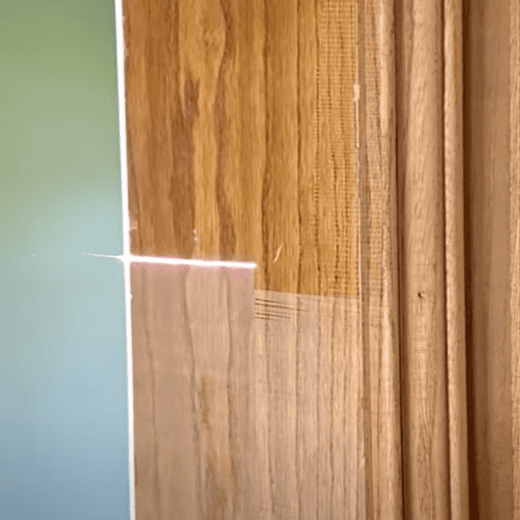
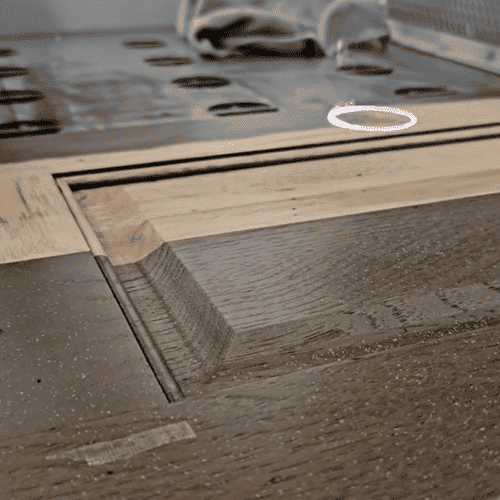
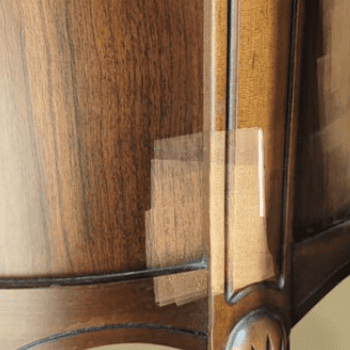
Laser cleaning strips old paint, stain, and lacquer from wooden doors, window frames, trim, and cabinets up to 5 times faster than traditional refinishing methods. The process leaves a smooth, clean surface immediately ready for new finishes—without the dust clouds, chemical fumes, and cleanup time associated with sanding and stripping.
This efficiency makes laser cleaning ideal for home renovation contractors, kitchen cabinet refinishers, commercial building refurbishment, and historic preservation projects where speed, quality, and minimal disruption are all priorities.
Hardwood Floor Restoration
For large-area applications like hardwood floor restoration, laser cleaning removes old polyurethane, stains, paint spills, and worn finishes without generating airborne dust or chemical contamination. This is particularly valuable in occupied residential and commercial buildings where traditional drum sanding would create unacceptable disruption and health hazards.
Wood Beam and Structural Timber Cleaning
Historic buildings, churches, barns, and timber-frame homes often feature exposed wooden beams that accumulate soot, smoke damage, mold, mildew, old paint, and other contaminants over many decades. Laser cleaning restores these structural elements to their original beauty while preserving their character, structural integrity, and historical significance.
Musical Instrument Maintenance
Guitars, violins, cellos, pianos, and other wooden instruments require extremely careful cleaning to remove accumulated sweat, oils, rosin, and grime without damaging delicate finishes or—critically—affecting the instrument’s tonal qualities. Laser cleaning provides the precision control needed for these highly sensitive applications.
Industrial Wood Mold and Pattern Cleaning
Foundries, plastics manufacturers, and other industrial facilities use laser cleaning to remove residues, release agents, and buildup from wooden molds, patterns, and production equipment. This reduces unplanned downtime, extends tool life, and typically lowers maintenance costs by 30-50% compared to manual or chemical cleaning methods.
How to Choose the Right Power Level for Wood Laser Cleaning
Selecting the correct power level is crucial for achieving optimal results without damaging wood. Higher power enables faster cleaning and handles thicker coatings, but excessive power on sensitive woods causes charring and fiber damage. This section provides specific guidance for matching power to your applications.
Power Options: 100W, 200W, 300W, and 500W Explained
Pulse laser cleaning machines for wood are commonly available in four power tiers. Each tier serves different applications and budgets:
- 100W: Entry-level power ideal for thin coatings, light cleaning, and delicate work on softwoods and veneers
- 200W: Versatile mid-range power suitable for most furniture restoration and general wood cleaning applications
- 300W: Professional-grade power for medium coatings, production environments, and mixed wood/metal applications
- 500W: High-power industrial option for thick coatings, large surface areas, and high-throughput production
Matching Power to Wood Type
Different wood species have vastly different sensitivities to laser energy. Use these guidelines as starting points:
- Softwoods (Pine, Cedar, Spruce, Fir): Use 100W-200W maximum. These species have lower density and higher resin content, making them more susceptible to heat damage. Always start at minimum power.
- Hardwoods (Oak, Walnut, Maple, Cherry): Can typically use 200W-300W. Higher density allows more thermal tolerance, but always test for resin reactions and grain lifting first.
- Exotic/Tropical Woods (Teak, Mahogany, Rosewood): Variable sensitivity. High oil content in some species requires careful testing. Start at low power and increase gradually.
- Veneers and Plywood: Use 100W-200W with caution. Thin face veneers can be damaged quickly. Never use high power on veneer surfaces.
Power Selection Guide
Power | Best Applications | Recommended Wood Types | Price Range (USD) |
100W | Delicate cleaning, thin coatings, fine detail work, veneers | Softwoods, veneers, delicate antiques | $5,000 – $7,500 |
200W | General furniture restoration, cabinet refinishing, moderate coatings | All softwoods, most hardwoods | $7,000 – $9,000 |
300W | Professional restoration, production environments, thicker coatings | Hardwoods, structural timbers | $9,000 – $12,000 |
500W | Industrial applications, heavy coatings, high-volume production | Hardwoods, large beams, industrial | $15,000 – $20,000 |
Other Technical Specifications to Consider
Beyond power level, evaluate these specifications when selecting a laser cleaning machine:
- Pulse Frequency: 20-400 kHz range. Higher frequencies enable finer control and smoother finishes.
- Pulse Width: 10ns-350ns. Shorter pulse widths reduce heat transfer—critical for wood.
- Laser Source Brand: JPT, Raycus, MAX, and IPG are leading manufacturers. Source quality affects reliability and beam consistency.
- Cleaning Head Design: Handheld gun design allows flexible positioning for complex shapes. Look for lightweight ergonomic designs.
- Scan Width: Typical range 10-160mm. Wider scan width means faster coverage on flat surfaces.
- Fiber Length: 3m-10m standard. Longer fibers provide greater working reach for large pieces.
How to Use a Laser Cleaning Machine on Wood Safely
Step-by-Step Operating Guide
Follow these steps for safe, effective laser cleaning on wood surfaces:
- Prepare the workspace. Ensure adequate ventilation or fume extraction. Remove flammable materials from the area. Post laser warning signs.
- Start with minimum power. Always begin at the lowest power setting. Test on a hidden or inconspicuous area of the workpiece first.
- Gradually increase intensity. Slowly raise power until you find the “sweet spot” that removes the coating without affecting the wood. Document this setting.
- Keep the laser moving. Move the cleaning head steadily across the surface in overlapping passes, like painting with a brush. Never hold the beam stationary on one spot.
- Maintain proper distance. Keep the cleaning head 2-4 inches (50-100mm) from the surface for optimal focus and cleaning efficiency.
- Work in sections. Clean small, manageable areas systematically. This ensures even results and prevents missed spots.
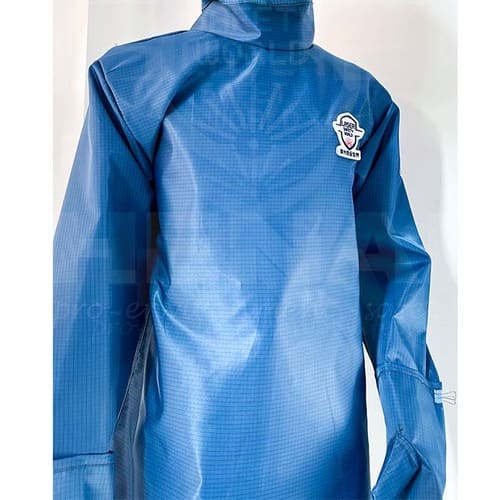
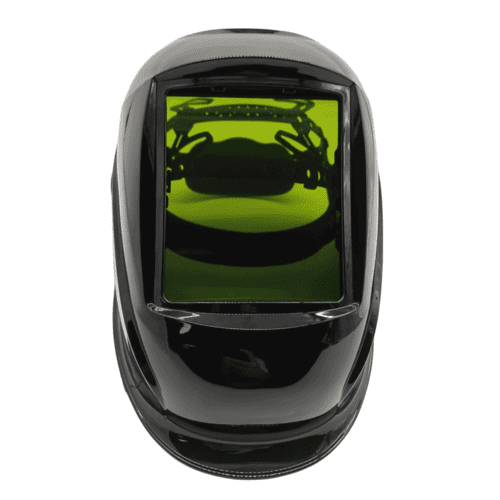
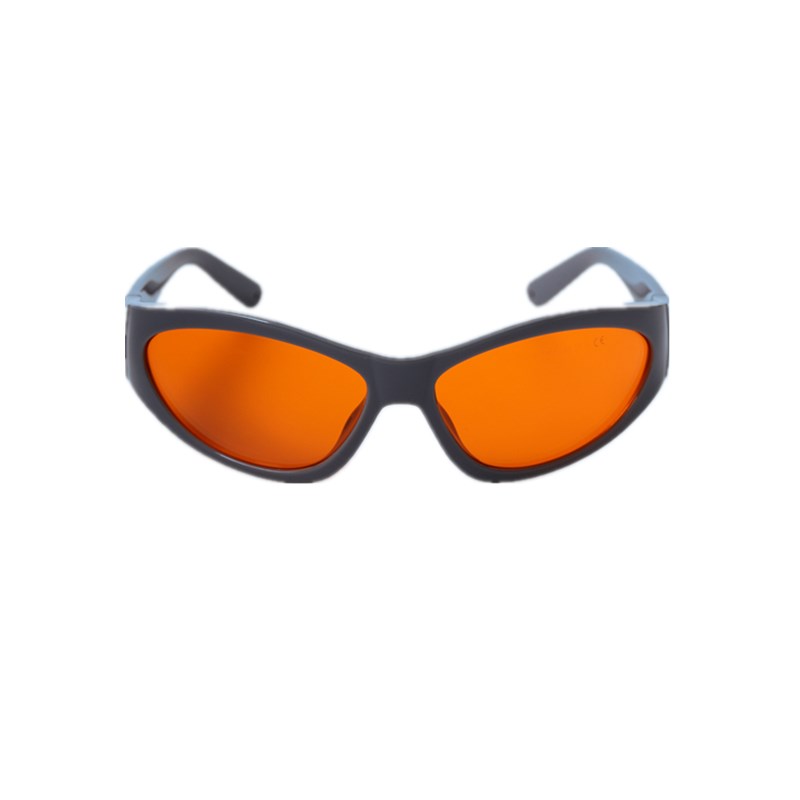
Essential Safety Equipment and Protocols
WARNING: Laser cleaning equipment produces Class 4 laser radiation. Proper safety equipment and training are mandatory—not optional.
- Laser Safety Goggles: Must be certified OD8+ for your laser’s specific wavelength (typically 1064nm). Regular sunglasses provide zero protection.
- Fume Extraction: Proper ventilation or a dedicated fume extractor is essential. Vaporized coatings can contain hazardous particles, especially from old paint.
- Designated Work Area: Clearly mark the laser operation zone with warning signs. Control access during operation.
- Operator Training: All operators should complete laser safety training before use. Many manufacturers provide training with purchase.

Common Mistakes to Avoid
- ❌ Lingering in one spot too long — causes charring, burning, and permanent wood damage
- ❌ Using excessive power without testing — can instantly damage wood beyond repair
- ❌ Skipping the test area — always test on hidden section first, regardless of experience level
- ❌ Neglecting safety equipment — eye damage from laser exposure is instant and irreversible
- ❌ Poor ventilation — fumes from vaporized coatings can be toxic, especially from lead paint
What Results to Expect: Quality Standards and Troubleshooting
Signs of Successful Cleaning
Properly laser-cleaned wood surfaces will exhibit these characteristics:
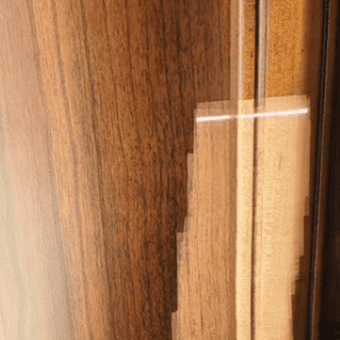
- Clean, uniform surface with complete coating removal and no residue
- Visible wood grain with natural color fully restored
- No discoloration, charring, scorching, or burn marks
- Original texture and grain pattern preserved intact
- Surface ready for immediate staining, sealing, or finishing
Warning Signs: Over-Cleaning, Under-Cleaning, and Damage
- Over-cleaning (too much power): Whitish or bleached discoloration indicates cellulose fiber damage. Charring or darkening indicates burning. Both are irreversible.
- Under-cleaning (insufficient power/passes): Visible residual coating remains. May appear as hazy film or patchy removal. Solution: additional passes or slight power increase.
- Inconsistent results: Uneven appearance with stripes or patches. Usually caused by varying hand speed or distance. Solution: use guide rails, maintain consistent technique.
Quality Control Best Practices
- Use guide rails or fixtures for large, flat surfaces to maintain consistent distance and speed
- Document successful settings (power, frequency, speed, distance) for each wood type/coating combination
- Clean optical lenses regularly—dirty optics reduce beam quality and cleaning efficiency
- Inspect work under good lighting from multiple angles before declaring complete
Laser Cleaning Machine for Wood: Pricing, Cost Analysis, and ROI
Initial Investment: 2025 Price Ranges by Power Level
Pulse laser cleaning machines suitable for wood range in price based on power level, laser source quality, and included features:
- 100W-200W Pulse Laser: $7,000 – $12,000 (air-cooled, portable/suitcase designs available)
- 300W Pulse Laser: $8,000 – $12,000 (typically water-cooled, professional grade)
- 500W Pulse Laser: $15,000 – $20,000 (water-cooled, industrial duty)
Key factors affecting price include: laser source brand (JPT, Raycus, MAX, IPG), control system sophistication, cleaning head design, included accessories, and warranty terms. Prices listed are for complete, ready-to-use systems from reputable manufacturers.
Operating Costs: Near-Zero Consumables
One of the most significant advantages of laser cleaning is the near-elimination of ongoing consumable costs:
- No consumables: Zero cost for sandpaper, chemical strippers, scrapers, or waste disposal
- Low electricity: Fiber lasers are highly efficient. Typical consumption is 1-3 kWh depending on power level—pennies per hour.
- Minimal maintenance: Primary maintenance is periodic lens cleaning (minutes per week). Fiber laser sources typically have 100,000+ hour lifespans.
- No PPE replacement: Unlike chemical stripping, no ongoing costs for respirators, gloves, suits, or disposal.
Return on Investment Analysis
Based on industry case studies, most businesses achieve full ROI within 6-18 months. Key ROI drivers include:
- Labor savings (primary driver): 70%+ reduction in surface preparation time. A task taking 8 hours by sanding may take 2 hours or less by laser.
- Consumable elimination: Complete elimination of sandpaper, chemical, and disposal costs—often $500-2,000/month for active shops.
- Increased capacity: Faster processing enables higher job throughput without additional labor.
- Quality premium: Superior, consistent results can justify premium pricing, especially in restoration markets.
- New capabilities: Ability to take on projects previously impossible or impractical (delicate antiques, occupied buildings, etc.).
Real-World ROI Example:
A woodworking business processing 20 furniture pieces/month reported: 70% labor reduction (saved 80 hours/month × $25/hr = $2,000/month), eliminated $400/month in supplies, and increased capacity allowing $1,500/month additional revenue. Total benefit: ~$3,900/month. A $12,000 laser system achieved full ROI in approximately 3 months.
Recommended Pulse Laser Cleaning Machines for Wood [2025]
Based on performance, reliability, value, and customer feedback, here are our recommendations for different use cases:
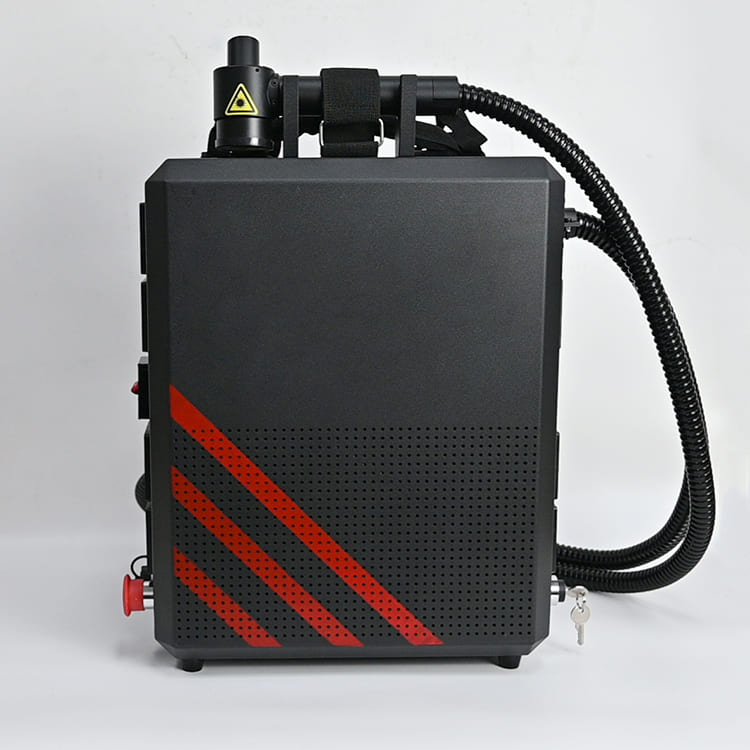
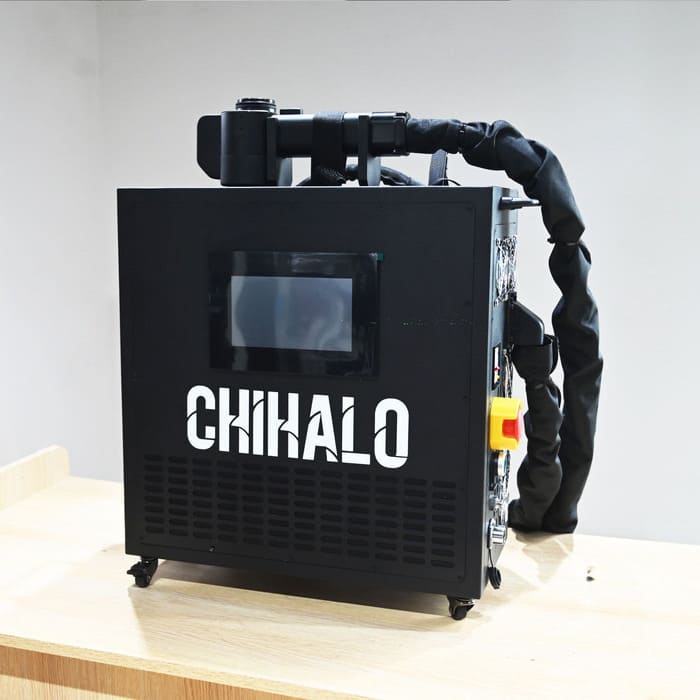
Best for Small Workshops & Hobbyists: 100W-200W Options
For small furniture restoration shops, hobbyists, and businesses just starting with laser cleaning:
- Look for: Portable/suitcase designs, air-cooled systems, 200W power level for versatility
- Price range: $7,000-$12,000
- Key features to prioritize: Ease of use, portability, good manufacturer support
Best for Professional Restoration: 300W Options
For professional restoration shops, contractors, and businesses with regular volume:
- Look for: 300W power, quality JPT or Raycus laser source, robust control software
- Price range: $10,000-$20,000
- Key features to prioritize: Reliability, warranty, training support, parts availability
Best for Industrial Applications: 500W+ Options
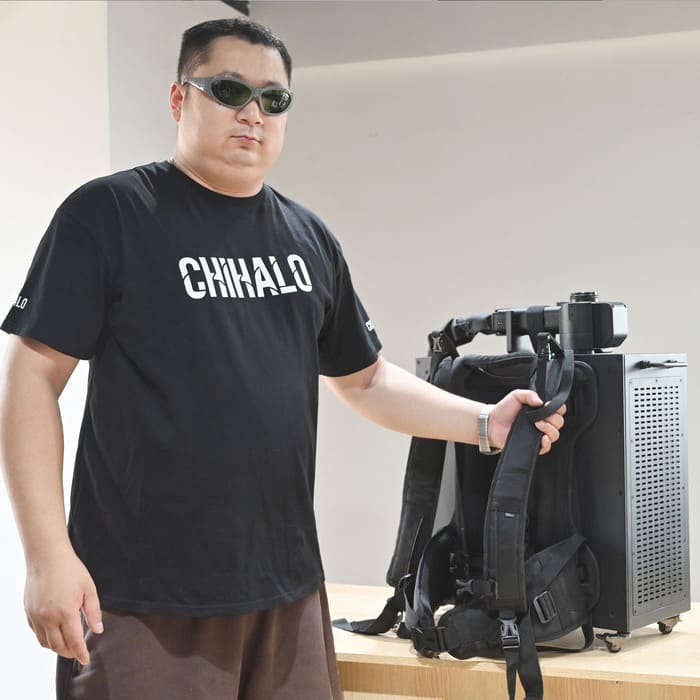
For high-volume production, industrial maintenance, and heavy-duty applications:
- Look for: 500W+ power, water cooling, industrial duty cycle rating, automation capability
- Price range: $20,000-$35,000+
- Key features to prioritize: Duty cycle, integration options, service network, spare parts
Frequently Asked Questions About Laser Cleaning Machine for Wood
No, when used correctly with appropriate settings. Pulse laser cleaning uses short, controlled energy bursts that target only the coating layer. By adjusting power appropriately—lower for softwoods like pine (100-200W), moderate for hardwoods like oak (200-300W)—the laser removes contaminants without affecting the wood underneath. The key is always testing on a hidden area first and starting at minimum power.
Laser cleaning effectively removes paint (including latex, oil-based, and lead-based), varnish, shellac, lacquer, polyurethane, stain, old finishes, dirt, grime, mold, mildew, smoke damage, adhesive residue, and surface oxidation. It works well on most surface coatings but may require multiple passes for very thick epoxy layers or coatings that have deeply penetrated the wood grain.
Yes, it is considered the ideal method for antiques. The non-contact, chemical-free process preserves delicate details, intricate carvings, inlays, and original patina that give antiques their value. Museums, auction houses (including Christie's and Sotheby's consignors), and professional conservators worldwide prefer laser cleaning for historical wooden artifacts because it reveals the original wood without any abrasion or chemical damage.
For most applications, no. The laser leaves a clean, smooth surface immediately ready for refinishing. However, for an absolutely perfect furniture-grade finish, a quick pass with fine sandpaper (220+ grit) may help smooth any slightly raised grain before applying stain or topcoat. This is optional and depends on your finish quality standards.
Pulse lasers deliver energy in short, high-intensity bursts (nanoseconds), minimizing heat transfer to the substrate—essential for heat-sensitive wood. Continuous wave (CW) lasers output energy constantly, causing heat buildup that can char, warp, or damage wood. For virtually all wood applications, pulse lasers are required. CW lasers are designed for heavy-duty metal applications where heat tolerance is not a concern.
Prices vary by power level. Entry-level 100W-200W pulse laser cleaners suitable for wood range from $7,000-$12,000. Mid-range 300W professional models cost $10,000-$20,000. High-power 500W industrial units reach $20,000-$35,000. These prices are for complete, ready-to-use systems from reputable manufacturers with warranty. The investment typically pays for itself within 6-18 months through labor savings and eliminated consumable costs.
It depends on your specific applications. For delicate work like antique restoration, softwood cleaning, or veneers, 100W-200W is ideal. For general furniture refinishing, cabinet work, and most hardwoods, 200W-300W offers the best balance of speed and safety. For industrial-scale production, thick coatings, or large structural timbers, consider 300W-500W. When in doubt, start with lower power—you can always increase, but damage from too much power is irreversible.
Yes, laser cleaning is one of the most environmentally friendly surface preparation methods available. It is a completely dry, chemical-free process that produces no hazardous liquid waste, no toxic fumes (when properly ventilated), and no secondary pollution. It eliminates the need for chemical strippers, solvents, and abrasive materials—all of which have environmental and disposal impacts. The only byproduct is the vaporized coating material, which is captured by standard fume extraction.
Yes, with appropriate setting adjustments. Softwoods (pine, cedar, spruce) require lower power (100-200W) to prevent scorching. Hardwoods (oak, walnut, maple, cherry) tolerate higher intensities (200-300W). Exotic/tropical woods vary—some have high oil content requiring careful testing. Veneers and plywood need conservative settings due to thin face layers. The universal rule: always test on an inconspicuous area first, regardless of wood type.
Significantly faster—typically 3-5 times faster for equivalent surface area. Laser cleaning can complete in minutes what sanding takes hours to achieve. Additionally, laser cleaning eliminates setup time, dust cleanup, and the physical fatigue of hand sanding. Professional restoration businesses consistently report 70%+ reduction in total surface preparation time after switching from sanding to laser cleaning.
Essential safety equipment includes: (1) Certified laser safety goggles rated OD5+ for your laser wavelength (typically 1064nm)—this is mandatory, not optional; (2) Fire extinguisher (CO2 or dry chemical) within reach—wood is combustible; (3) Proper ventilation or dedicated fume extraction system; (4) Clearly marked laser operation zone with warning signs; (5) Appropriate training for all operators. Many jurisdictions also require a designated Laser Safety Officer for Class 4 laser operation.
Yes, laser cleaning can effectively remove lead-based paint from wood. However, strict safety protocols are mandatory because the ablation process aerosolizes lead particles. Requirements include: HEPA-filtered fume extraction rated for lead, appropriate respiratory protection (minimum N100 or P100), proper PPE, and compliance with EPA/OSHA lead paint removal regulations (including RRP Rule if applicable). Many restoration professionals find laser cleaning preferable to chemical stripping for lead paint because it contains the hazard better when proper extraction is used.
Ready to Upgrade Your Wood Cleaning Process?
Contact our laser specialists today for personalized recommendations based on your specific applications, volume requirements, and budget. We offer:
- Free consultation with experienced laser application engineers
- Free sample testing — send us your wood samples and we’ll test and document results
- Live demonstrations at our facility or via video call
- Competitive pricing with financing options available
- Comprehensive training and ongoing technical support
Laser Cleaning Cost Per Hour: What We’ve Learned from 500+ Projects DC
ost Per Hour: What We’ve Learned from 50 ost Per Hour: What We’ve Learned from 50 Laser Cleaning Cost Per […]
Precision Laser Cleaning
Precision Laser Cleaning Table of Contents What Is Precision Laser Cleaning? If you’ve ever struggled with rust removal, paint stripping, […]
Laser Wood Stain Remover: Does It Really Work? A Complete Guide with Real Results
Laser Wood Stain Remover: Does It Really Work? A Complete Guide with Real Results Table of Contents Last Updated: January […]
Laser Stain Removal: Complete Guide to Cleaning Wood, Metal & Stone [2026]
Laser Stain Removal: Complete Guide to Cleaning Wood, Metal & Stone [2026] Table of Contents Quick Summary: Laser stain removal is […]
What Is Laser Cleaning?
What Is Laser Cleaning? Table of Contents Laser cleaning is a process that uses pulsed laser light to strip rust, […]
Laser Cleaning Business: Real Income Data from 47 Business Owners (2026 Guide)
Laser Cleaning Business: Real Income Data from 47 Business Owners (2026 Guide) Table of Contents If you’re researching how to […]