Industrial Laser Cleaning Machine Manufacturer | Factory Direct Price (2026)
- From 50W Backpack to 3000W CW
- Save 40% Cost by Buying Directly from Chihalo Factory
- Free Sample Testing Available
- Last Updated: 2026-1-9
Dawn Huang | Founder of Chihalo Laser | M.Sc. Engineering (HKU)
Hi! I am Dawn. With 10 years of field experience, I specialize in laser cleaning systems—from optical sourcing to automation. I write here to turn complex specs into actionable buying guides.
Welcome to contact me at dawn@chihalo.com or WhatsApp at +86 18608325040!
Quick Answer: Laser Cleaning Machine Prices 2026
| Type | Power Range | Best Application | Price Range |
|---|---|---|---|
| Entry-level Pulsed | 20-50W | Hobbyists, small parts, delicate work | $3,000-$4,00 |
| Mid-range Pulsed | 100-500W | Mold cleaning, precision restoration | $5,000-$20,000 |
| Industrial CW | 1000-3000W | Heavy rust, large surface areas | $4,800-$12,000 |
| High-Power Pulsed | 1000-2000W | Aerospace, production lines | $30,00-$60,000 |
Why Chihalo?
We’re a National High-Tech Enterprise manufacturing since 2016.
We OEM for 2 European brands serving military and government clients—you get the same quality at 30-40% lower prices.
Chihalo Laser Cleaning Machine
Choose from 4 product series covering 20W to 4000W. All machines include CE certification, 2-3 year warranty, and lifetime technical support.
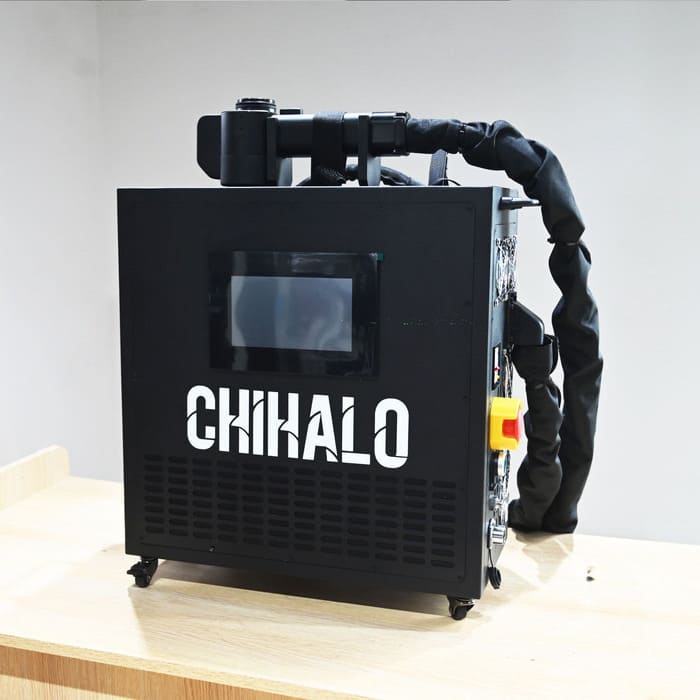
$5,000 – $25,000
Best for: Mold cleaning, automotive restoration, precision work Cleaning speed: 1-5 m²/hour Weight: 45-80 kg (suitcase/trolley) Cooling: Water-cooled
Our best-seller. Ideal balance of precision and power. Adjustable pulse width (1-500ns) for versatile applications. Zero thermal damage to base material—perfect for injection molds, tire molds, and precision components.
From $3,000
Best for: Hobbyists, small workshops, delicate surfaces Cleaning speed: 0.1-0.5 m²/hour Weight: 8-15 kg (portable/backpack) Cooling: Air-cooled
Perfect entry-level option. Shoulder-portable design with optional battery pack for outdoor use. Ideal for small parts cleaning, jewelry restoration, and light rust removal on delicate surfaces.
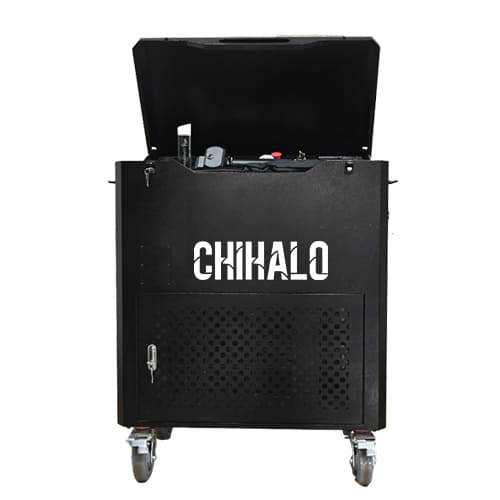
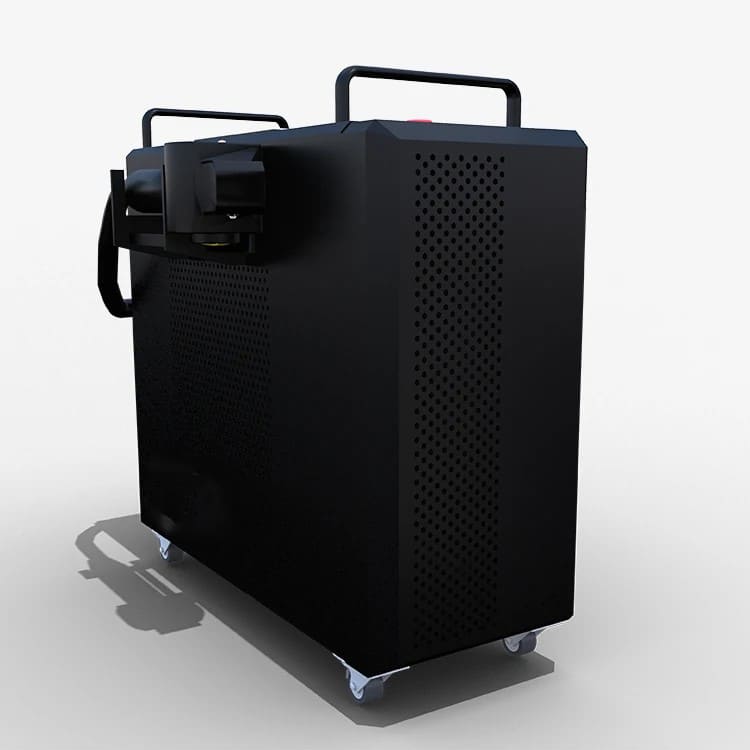
$30,000 – $60,000
Best for: Aerospace, nuclear, high-precision production Cleaning speed: 5-15 m²/hour Configuration: Robotic arm integration available Cooling: Industrial water chiller
Premium solution for demanding industrial environments. Zero thermal damage with surgical precision. Meets the strictest aerospace and defense quality standards.
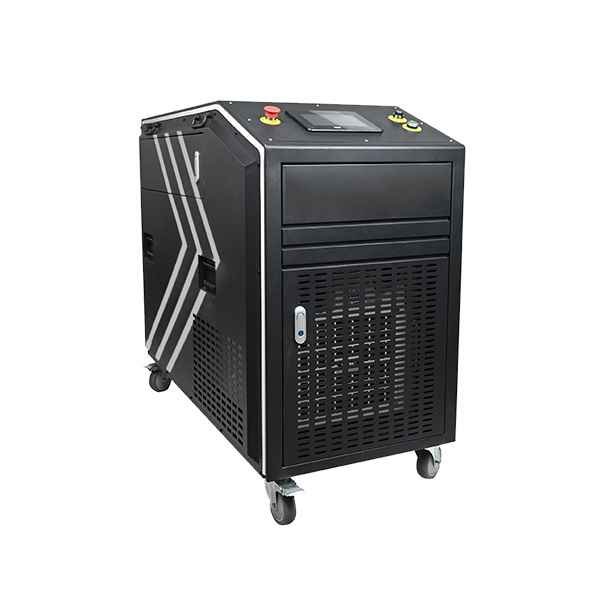
$4,800 – $12,000
Best for: Heavy rust removal, shipyard, large equipment Cleaning speed: 15-40 m²/hour Weight: 80-150 kg (cabinet/mobile) Cooling: Water-cooled
Maximum productivity for heavy-duty applications. Continuous wave technology delivers the fastest cleaning speeds available. Ideal for steel structures, machinery maintenance, and high-volume production environments.
CW vs Pulsed Laser: Which Technology Is Right for You?
This is the most important technical decision when choosing a laser cleaning machine. Here’s the straightforward comparison:
| Feature | Continuous Wave (CW) | Pulsed Laser |
|---|---|---|
| How it works | Continuous beam heats and removes material | Short high-energy pulses ablate contaminants |
| Cleaning speed | Faster (15-40 m²/hr) | Moderate (1-15 m²/hr) |
| Heat input | Higher (may affect thin materials) | Minimal (heat-sensitive OK) |
| Precision | Good for bulk removal | Excellent (micron-level control) |
| Price | Lower ($4,800-$12,000) | Higher ($5,000-$65,000) |
| Best for | Heavy rust, large surfaces, shipyard, steel structures | Molds, aerospace, electronics, heritage restoration |
| Not suitable for | Thin materials, precision electronics | Large-area heavy rust (too slow) |
Pulsed Fiber Laser Cleaning:
Choose Pulsed if: You’re working with molds, aerospace components, electronics, or any application where zero thermal damage is critical.
Best for:
- Delicate or thin metal surfaces
- Precision work requiring minimal damage risk
- Paint and coating removal without substrate damage
- Aerospace and electronics components
- Mold cleaning where precision matters
- Cultural artifact restoration
CW Laser Cleaning:
Choose CW if: You’re removing heavy rust from durable metal surfaces and need maximum speed. 80% of industrial applications are best served by CW lasers.
Best for:
- Heavy-duty rust and thick corrosion removal
- Large surface area coverage
- Speed-critical applications
- Industrial maintenance of heavy machinery
- Surface preparation for coating application
- High-volume production environments
In my 8 years running Chihalo’s engineering department, I’ve seen countless buyers make the wrong choice by over-specifying pulsed lasers when CW would serve them better at half the cost. Unless you’re cleaning molds or precision electronics, start with CW.
Still unsure? We offer video demonstrations via WhatsApp—see both technologies in action on similar materials before you decide.
Which Laser Cleaning Machine Do You Need?
Use this quick guide to find your ideal machine based on application:
| Your Application | Recommended Machine | Starting Price |
|---|---|---|
| Light surface rust on small parts | MINI 50W Pulsed | $4,000 |
| Mold cleaning (injection molds, tire molds) | MOPA 200-300W Pulsed | $7,500-12000 |
| Automotive restoration (car bodies, frames) | CW 1500W or MOPA 500W | $5,200/18000 |
| Heavy industrial rust (machinery, structures) | CW 2000-3000W | $8,800/12000 |
| Paint stripping (sensitive substrates) | MOPA 200-500W Pulsed | $7,500-15000 |
| Weld preparation & post-weld cleaning | CW 1000-1500W | $4,800 |
| Heritage/cultural artifact restoration | MINI 50W or MOPA 100W | $4,000-7000 |
| Production line integration (automated) | High-Power Pulsed 1000W+ | $30,000 |
Not sure? Contact us with photos of your application—we’ll recommend the best solution within 24 hours.
Why Buy From Chihalo?
Advantage 1
Factory Direct = 30-40% Savings
We manufacture in Chengdu, China. No dealers, no middlemen. The same machines sold by European brands at $15,000-$25,000 cost you $6,000-$12,000 direct from us.
Advantage 2
European-Designed Quality
Our machines are designed with Italian engineering partners. We OEM for 2 established European laser brands—machines serving military, university, and government clients across Europe. I can’t name them due to NDA, but the quality standard is identical.
Advantage3
National High-Tech Enterprise Since 2016
Certified by the Chinese government as a National High-Tech Enterprise—a designation requiring proven R&D capabilities and technology innovation. We’re a manufacturer, not a trading company.
Advantage 4
CE Certified to EU Standards
Every machine meets European CE safety standards. Required documentation included for import to EU, UK, Australia, and other regulated markets.
Advantage 5
2 Year Warranty
Industry-leading warranty coverage: 2 years standard on laser source. Compare to typical 6-12 month warranty from other Chinese suppliers.
Advantage 6
Lifetime Technical Support
WhatsApp/video support in English, with response within 24 hours. Remote diagnostics, parameter optimization, and troubleshooting—for the life of your machine.
Laser Cleaning Machine Applications
Our machines serve industries worldwide. Here are the most common applications:
Automotive Manufacturing and Restoration
In automotive manufacturing, laser cleaning machines excel at preparing metal surfaces before welding, coating, or precision assembly. A leading automotive parts supplier reported reducing their surface preparation time by 65% after switching from sandblasting to laser technology.
For restoration shops specializing in classic and vintage vehicle restoration, laser paint removal is revolutionary. Unlike grinding or sanding that can damage original metal stamping or subtle panel work, laser cleaning preserves the integrity of irreplaceable components while removing old paint, primer, and surface rust with surgical precision.
Cultural Heritage and Artifact Restoration
Museums, universities, and restoration specialists use laser cleaning to preserve priceless artifacts, monuments, and sculptures. The non-contact, non-abrasive nature of laser cleaning means delicate surfaces—whether ancient stone, bronze, or painted surfaces—can be gently cleaned without risk of damage.
The Parliament Building in Canada underwent extensive laser cleaning of its sandstone facades as part of a major heritage restoration project. The results demonstrated that laser technology could remove centuries of grime and pollutants while preserving the original stone character.
Rust Removal
Recommended: CW 1000-2000W
Remove rust from steel structures, machinery, automotive parts, and equipment. Cleaning speeds up to 40 m²/hour on heavy rust.
Industries: Manufacturing, shipbuilding, automotive restoration
Paint Stripping
Recommended: Pulsed 200-500W
Strip paint, powder coating, and other coatings without damaging the substrate. Ideal for selective removal around masked areas.
Industries: Automotive, aerospace, industrial maintenance
Mold Cleaning
Recommended: Pulsed 100-300W
Clean injection molds, tire molds, and die-casting molds in-situ. No disassembly required. Zero residue, no damage to mold surfaces.
Industries: Plastics, rubber, die-casting
ROI Analysis: Why Upgrade from Sandblasting?
Laser cleaning has higher upfront costs but dramatically lower operating expenses. Here’s a real-world comparison:
Annual Cost Comparison: 1500W Laser vs Sandblasting
| Cost Factor | Sandblasting | Laser Cleaning | Savings |
|---|---|---|---|
| Equipment purchase | $5,000 | $6,200 | -$1,200 |
| Annual consumables (media, chemicals) | $12,000 | $0 | $12,000 |
| Waste disposal | $3,600 | $200 | $3,400 |
| Labor (50% faster with laser) | $48,000 | $32,000 | $16,000 |
| Electricity | $1,800 | $2,400 | -$600 |
| Maintenance & parts | $2,000 | $500 | $1,500 |
| Year 1 Total | $72,400 | $41,300 | $31,100 |
| 5-Year Total | $342,000 | $181,700 | $160,300 |
Payback period: 2-4 months for most industrial applications.
Based on 8 hours/day, 250 days/year operation. Actual savings vary by application.
Want a custom ROI analysis for your specific application? Request Free ROI Analysis
Laser Cleaning vs Traditional Methods
The advantages of fiber laser cleaning machines become crystal clear when compared side-by-side with conventional approaches:
Sandblasting:
- Requires continuous media replenishment
- Creates clouds of hazardous dust
- Expensive waste disposal requirements
- Operator exposure to silica dust (health risk)
- Can damage delicate or thin substrates
- Difficult to clean complex geometries
- Monthly costs: $2,000-$3,500
Chemical Cleaning:
- Requires hazardous chemical handling
- Complex waste disposal and environmental compliance
- Worker safety training required
- Chemical residue can be harmful to substrate
- Time-consuming pre/post treatment
- Monthly costs: $1,500-$2,500
Laser Cleaning:
- No consumable materials (except electricity)
- Zero hazardous waste
- Minimal operator training required
- Substrate remains completely safe
- Perfect for complex geometries and tight spaces
- Extremely fast and consistent
- Monthly costs: $150-$300 (electricity + routine maintenance)
How Does Laser Cleaning Work?
Laser cleaning uses focused light energy to remove contaminants from surfaces. Here’s the process in 3 steps:
- Absorption: The laser beam is absorbed by surface contaminants (rust, paint, oil) but reflected by the clean base material.
- Vaporization: Contaminants instantly heat to 2,000-4,000°C and vaporize or explosively detach from the surface.
- Self-limiting: Once the contaminant layer is gone, the clean metal reflects the laser energy—preventing damage to the substrate.
This selective absorption is why laser cleaning can remove rust without harming the underlying metal—something impossible with sandblasting or chemical stripping.
Environmental Benefits You Can Measure
Zero Chemical Waste Generation:
- Traditional sandblasting produces contaminated media requiring hazardous waste disposal
- Chemical cleaning produces toxic effluent requiring environmental compliance processing
- Laser cleaning produces only minimal vaporized contaminant captured by dust collection
Minimal Water Usage:
- Some laser systems use minimal water for cooling
- Most use air cooling, requiring zero water
- Compare to high-pressure water blasting which uses 1,000+ gallons daily
Minimal Water Usage:
- Some laser systems use minimal water for cooling
- Most use air cooling, requiring zero water
- Compare to high-pressure water blasting which uses 1,000+ gallons daily
Carbon Footprint Reduction:
- Laser cleaning dramatically reduces transportation and disposal waste
- Energy consumption is minimal compared to multi-stage traditional cleaning
- One study showed 60% carbon footprint reduction vs. chemical cleaning methods
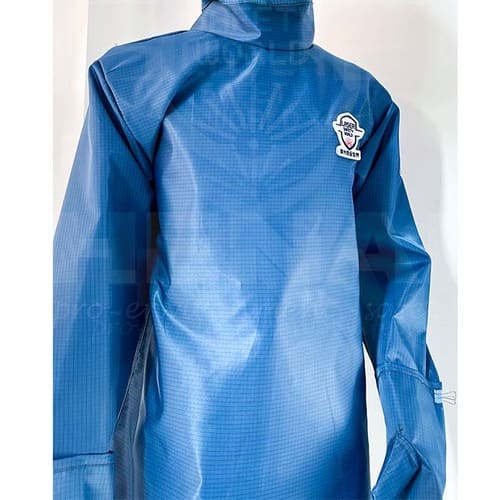
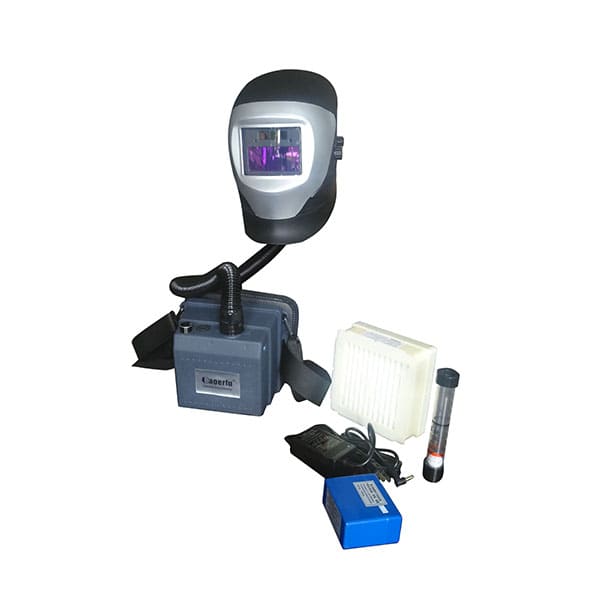
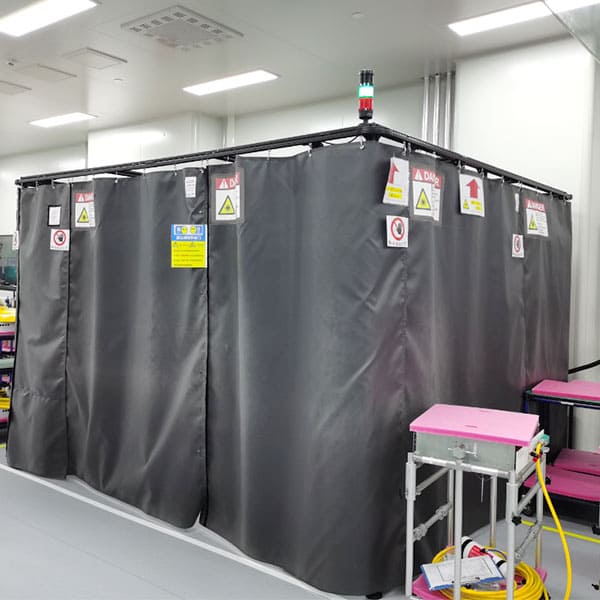
Laser Safety Equipment
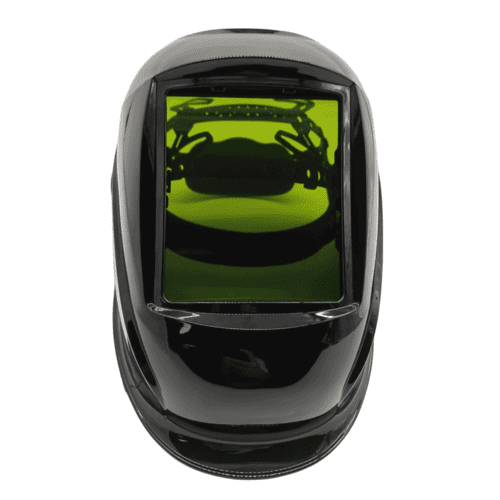
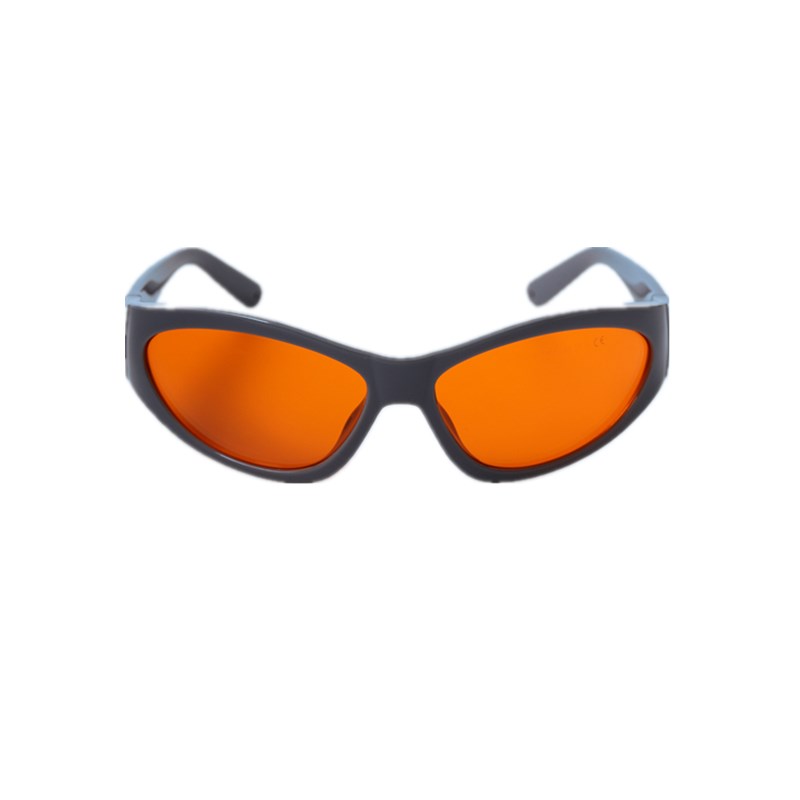
Class 4 laser equipment requires proper safety measures. Chihalo provides complete safety solutions:
Laser Safety Glasses OD6+ protection for 1064nm wavelength. Certified to EN207 standards. Included: 2 pairs with every machine
Dust Extraction System Capture vaporized particles at the source. HEPA filtration for clean operation. Optional add-on: From $800
Safety Enclosures For fixed installation or production line integration. Full laser containment. Custom design: Contact for quote
All Chihalo machines include multiple safety interlocks: key switch, emergency stop, laser emission indicator, and optional foot pedal control.
Is Laser Cleaning Safe for Operators?
Yes, when properly configured and operated with appropriate safety protocols. Here’s why:
Traditional Method Hazards:
- Sandblasting exposes workers to silica dust, causing long-term respiratory disease
- Chemical cleaning involves caustic and toxic substances requiring extensive PPE
- Wire brushing and grinding create flying debris and spark hazards
- Physical contact methods cause repetitive strain injuries
Laser Cleaning Safety Profile:
- Non-contact process means no flying debris or projectiles
- No toxic chemical exposure
- No harmful dust generation
- No physical strain on operator joints
- One documented case showed 87% reduction in workplace injuries after switching
Required Safety Measures:
- Appropriate laser safety glasses rated for 1064nm wavelength
- Proper ventilation to extract minimal vaporized particulate
- Clear work zone establishment with warning signs
- Brief operator training (4-8 hours to competency)
- Annual safety certification updates
Most modern laser cleaning machines include Class 4 laser safety certification and fully enclosed configurations that prevent accidental exposure.
Certifications and Compliance
Modern laser cleaning machines from reputable manufacturers include:
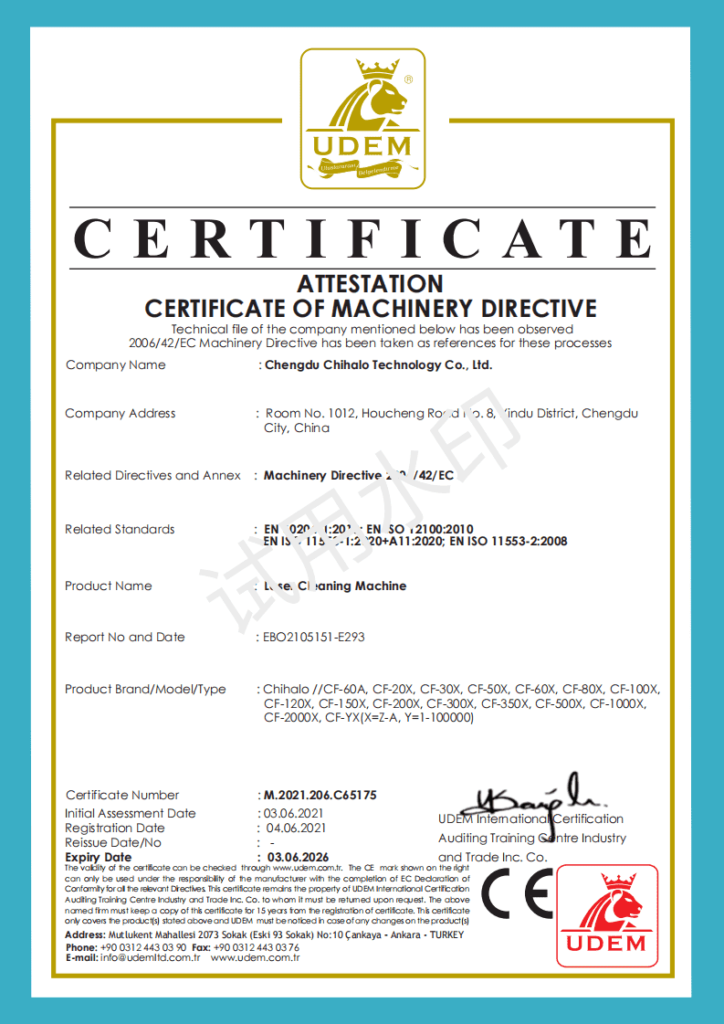
- CE Marking: Mandatory for European market, indicates compliance with health and safety directives
- ISO 9001: Quality management system certification
- ISO 13849: Machinery safety control system certification
- Class 4 Laser Certification: Highest safety rating, showing stringent safety measures
CHIHALO laser cleaning machines specifically include European CE certification and are designed by Italian laser engineers, ensuring compliance with the world’s strictest safety standards.
20 Frequently Asked Questions About Laser Cleaning Machines
Standard warranty is 2 years on the laser source and 1 year on other components. Extended 3-year warranty available on select models. Warranty covers manufacturing defects and component failures under normal use. Does not cover damage from misuse, power surges, or unauthorized modifications. We ship replacement parts worldwide and provide remote diagnostics.
We're a factory, not a dealer. Many European brands source components from Chinese manufacturers (including us for some), add their branding, and mark up 50-100%. By buying direct from Chihalo, you skip the middlemen. We use the same laser sources (Raycus, MAX, JPT, or imported IPG) and components—the difference is in the label, not the quality.
Basic operation is straightforward—most operators learn within 1-2 hours. Our machines include preset parameters for common applications (rust removal, paint stripping, mold cleaning), so you can start cleaning immediately. We provide: video tutorials, operation manual, and remote training via video call. For optimal results on specific applications, we offer parameter optimization support.
Yes, three options:
- Send us sample materials—we clean them and send back with video of the process (free)
- Live video demonstration via WhatsApp on your specified material type
- Visit our Chengdu factory for in-person testing
We encourage testing before purchase—it helps us recommend the optimal configuration for your application.
Speed depends on power level, contaminant type, and desired cleanliness level. A typical 100W pulsed laser can clean approximately 100-200 square meters per hour for light to medium contamination. A 1000W continuous wave laser can exceed 5,000 square meters per hour on heavy rust. Most cleaning applications see 5-10x speed improvement compared to sandblasting.
No, when properly calibrated. The laser is specifically tuned to target only the contamination layer, which has a lower ablation threshold than clean metal. Every material has a specific ablation threshold, and laser parameters are set to remain below the substrate threshold. This is why pulsed lasers are often preferred for delicate work—they offer superior control.
What materials can actually be cleaned with laser technology?
Not necessarily. A properly calibrated 50W laser can outperform a poorly configured 200W system. The key variables are pulse frequency (measured in kHz), pulse energy, and correct parameter tuning for your specific material and contaminant. However, for high-volume operations, higher power systems complete more area per unit time.
How often does the laser need maintenance?
What's the expected lifespan of a laser cleaning machine?
Are replacement parts and spare optics readily available?
Wood and plastic can be cleaned with laser systems, but it requires low-power settings and careful parameter tuning to avoid heat damage. Pulsed systems are safer for these materials than continuous wave systems. Professional guidance is recommended for the first applications on new materials.
Can laser cleaning remove all types of paint and coatings?
Is laser cleaning effective on concrete and building facades?
The primary costs are electricity (minimal), occasional replacement of optical components if damaged, and periodic system maintenance. There are no consumable material costs like sandblasting media or chemical refills. Annual operating costs typically run $3,000-$5,000 for average industrial use, dramatically lower than traditional methods.
What if the laser cleaning machine breaks down? What's the support like?
Most operators reach competency within 4-8 hours of hands-on training. The interface is generally intuitive—similar to operating power tools. Annual refresher training is recommended for safety compliance. Some regulations may require formal certification, depending on your industry and region.
Yes, this is one of the major advantages of modern laser cleaning systems. By adjusting laser parameters (power, frequency, pulse width), scan speed, and other settings, the same machine can handle rust removal, paint stripping, oxide removal, mold cleaning, and light material removal tasks. This versatility makes laser systems more cost-effective than single-purpose equipment.
Standard manufacturers typically offer 2-3 year warranties covering parts and labor. Extended warranties to 5-10 years are available for additional cost. Maintenance contracts that include preventive service and priority support are recommended for mission-critical applications. Always understand what's covered and the process for warranty claims.
Dawn Huang | Founder of Chihalo Laser | M.Sc. Engineering (HKU)
Hi! I am Dawn. With 10 years of field experience, I specialize in laser cleaning systems—from optical sourcing to automation. I write here to turn complex specs into actionable buying guides.
Contact Us
Buying Checklist and Next Steps
- What materials need surface cleaning most frequently in your operations?
- How thick or stubborn are typical contaminants requiring rust removal or paint removal?
- Do you need handheld laser cleaner flexibility or more robust industrial machine capability?
- What power options (100W–4000W) best match your industrial applications and throughput requirements?
- What’s your total budget including equipment, training, installation, and safety sensors?
- Is comprehensive after-sales support and operator training available from the supplier?
How to Test Your Choice
Contact Chihalo engineers to arrange a free online demonstration of laser cleaning capabilities.