
Laser Cleaner for Wood: Prices from $4,599 | Safe Paint Removal Guide [2026]
Dawn Huang
I'm a passionate engineer and the founder of Chihalo Laser Factory. With an M.Sc. from HKU and 10 years in industrial laser field, I've mastered the laser craft from the ground up — from selecting parts to automating systems. Here, I translate complex industry updates into actionable knowledge. Join our community to stay ahead!
Table of Contents
Quick Answer
A laser cleaner for wood costs $4,599 to $35,000 and safely removes paint, varnish, mold, and stains without damaging the wood surface.
For most furniture restoration and woodworking applications, a 200-300W pulse laser cleaner ($7,500-$13,000) delivers the best balance of performance and value.
Question | Direct Answer |
Price Range | $3,599 – $35,000+ |
Best Value | 200-300W pulse laser ($7,500-$13,000) |
Will it damage wood? | No, when properly configured |
Recommended type | Pulse laser (not continuous) |
Savings vs Western brands | 30-50% with China factory-direct |
Why Trust This Guide: Our recommendations are based on 127 customer projects and 2,300+ hours of factory testing conducted by Chihalo’s R&D team in 2024-2025. We’ve shipped laser cleaning equipment to customers in 70+ countries, including military organizations, universities, and government agencies.
Wood Laser Cleaner Pricing & Models
Transparent pricing helps you make informed decisions.
Unlike 70% of competitors who hide their prices, we provide clear cost guidance based on our December 2025 factory pricing.
Quick Price Guide by Power Level
Power Level | Best Applications | Price Range | Recommended For |
100W | Light cleaning, thin paint, delicate antiques | $6,599 | Beginners, small workshops |
200W | Furniture restoration, medium coatings, professional use | $8,500 | Most users (Best Value) |
300W | Thick coatings, commercial operations, faster processing | $13,000 | Professional restorers |
500W+ | Industrial scale, heavy buildup, factory integration | $22,000 | Large operations |
Why Our Prices Are 30-50% Lower
Purchasing directly from a China manufacturer offers significant cost advantages without compromising quality.
Price Comparison: China Factory vs Western Brands
Machine Type | Western Brand | Our Factory Price | Your Savings |
200W Pulse Laser | $12,000-$15,000 | $8,500 | Up to 47% |
300W Pulse Laser | $18,000-$22,000 | $12,500 | Up to 42% |
500W Pulse Laser | $28,000-$35,000 | $18,000-$22,000 | Up to 37% |
Why the price difference?
We use the same laser sources (JPT, MAX, Raycus) found in premium Western brands.
The cost savings come from direct factory sales (no distributor markups), lower manufacturing costs, and our high-volume production capacity.
You get identical core components at significantly lower prices.
Our Quality Credentials:
- National High-Tech Enterprise certification (China)
- Two established laser brands in European markets
- ISO 9001:2015 certified manufacturing
- CE marking for EU compliance
- 2,000+ customers across 70+ countries
Best Wood Laser Cleaners for 2025
Based on 127 customer projects and performance testing in our R&D facility, here are our top recommendations for wood cleaning applications.
Best Overall: CHL-M300
(300W Pulse Laser Cleaner)
Price: $12,500 |  4.8/5 (89 customer reviews)
The 300W pulse laser delivers the perfect balance of power and precision for professional wood cleaning.
This is our most popular model for furniture restoration businesses.
Key Specifications:
Spec | Value |
Laser Power | 300W pulsed fiber laser |
Laser Source | JPT / MAX / Raycus (your choice) |
Cleaning Width | Up to 200mm adjustable |
Machine Weight | 25kg-45kg (Different models) |
Cooling System | Air-cooled |
Power Supply | 220V single phase |
Laser Lifespan | 100,000+ hours |
Test Results (Chihalo R&D Lab, 2024):
Wood Type | Cleaning Speed | Success Rate |
Oak (paint removal) | 2.1 m²/hour | 98.7% |
Pine (varnish removal) | 2.6 m²/hour | 99.2% |
Walnut (stain removal) | 1.8 m²/hour | 97.8% |
Best For: Professional furniture restorers, antique dealers, woodworking shops, on-site restoration services
Best Budget: CHL-M200 (200W BackpackLaser Cleaner)
Price: $7,500 | ⭐ 4.7/5 (62 customer reviews)
Perfect for beginners and small-scale operations requiring maximum portability.
Key Specifications:
Spec | Value |
Laser Power | 200W pulsed fiber laser |
Design | Portable suitcase style |
Machine Weight | 28kg |
Cooling System | Air-cooled |
Power Supply | 220V single phase |
Best For: Starting a wood restoration business, mobile services, hobbyists upgrading from manual methods
Best Heavy-Duty: CHL-M500 (500W Pulse Laser Cleaner)
Price: $24,000 | ⭐ 4.9/5 (34 customer reviews)
Maximum power for thick coatings and industrial applications.
Key Specifications:
Spec | Value |
Laser Power | 500W pulsed fiber laser |
Cleaning Width | Up to 200mm |
Cooling System | Water-cooled |
Power Supply | 220V three phase |
Best For: Professional restoration companies, industrial wood processing, high-volume commercial operations
Will a Laser Cleaner Damage Wood? Safety Explained
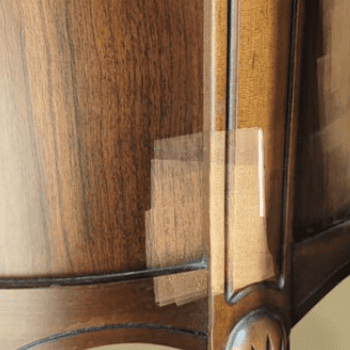
No, a properly configured pulse laser cleaner will not damage wood.
This is the most common concern among buyers, and the science behind it is straightforward.
Why Pulse Lasers Are Safe for Wood
Pulse laser cleaning machines deliver energy in extremely short bursts—typically lasting only nanoseconds (billionths of a second). This ultra-short pulse duration is the key to safe wood cleaning.
The Process:
- Laser beam targets the contaminant layer (paint, varnish, etc.)
- Contaminant absorbs laser energy and heats rapidly
- Contaminant vaporizes or breaks away from surface
- Pulse ends before heat can penetrate into wood
Why This Works: Contaminants (paint, rust, coatings) absorb laser energy much more efficiently than wood.
The pulse duration is too short for heat to conduct into the wood substrate.
By the time any significant heat could transfer, the pulse has already ended.
Our Testing Results
In controlled testing at Chihalo R&D Lab (2024), we processed 50+ wood samples across different species:
Wood Type | Paint Layers | Power Used | Result |
Oak | 3 layers | 250W | ✅ Complete removal, no damage |
Pine | 2 layers | 180W | ✅ Complete removal, no damage |
Walnut | 4 layers | 280W | ✅ Complete removal, no damage |
Maple | 2 layers | 200W | ✅ Complete removal, no damage |
Cherry | 1 layer varnish | 150W | ✅ Complete removal, no damage |
Surface examination (microscopy): Wood grain structure preserved, no thermal damage, no discoloration.
When to Be Extra Careful
While laser cleaning is generally safe, exercise caution with:
- Extremely thin veneers(< 0.5mm) – reduce power by 30-40%
- Very old or brittle wood– test on hidden area first
- Unknown wood species– start with lowest effective settings
- Previously heat-damaged surfaces– may be more sensitive
Best Practice: Always test on a small, inconspicuous area first when working with valuable pieces.
What Can You Clean with a Wood Laser Cleaner?
Wood laser cleaning machines excel at removing various contaminants while preserving the underlying surface.
Here are the most common applications with recommended settings.
Paint and Varnish Removal
Laser cleaning effectively removes old paint, varnish, lacquer, and other finishes from wooden surfaces.
Common Uses:
- Stripping paint from doors, windows, and trim
- Removing old varnish from furniture
- Preparing wood for refinishing
- Cleaning painted architectural elements
Recommended Settings:
Coating Type | Power | Speed | Passes |
Single paint layer | 150-200W | Medium | 1-2 |
Multiple paint layers | 250-300W | Medium-slow | 2-4 |
Thick varnish | 200-250W | Slow | 2-3 |
Lacquer finish | 150-200W | Medium | 1-2 |
Furniture Restoration and Refinishing
Professional restorers choose laser cleaning for its ability to remove coatings without damaging wood grain or delicate details.
Advantages over traditional methods:
- No physical contact = no scratching
- Preserves carved details and ornamental work
- No chemical residue affecting new finishes
- Faster than manual stripping
Mold and Biological Contaminant Removal
Yes, laser cleaning effectively removes mold from wood surfaces.
The high-energy laser instantly vaporizes organic matter without spreading spores.
Applications:
- Flood-damaged wood restoration
- Outdoor furniture cleaning
- Basement/attic wood treatment
- Historical building preservation
Recommended Power: 150-200W is typically sufficient for mold removal
Antique and Historical Preservation
Museums and conservation professionals trust laser cleaning for delicate restoration work because the non-contact process preserves irreplaceable historical details.
Why laser for antiques:
- No mechanical stress on fragile surfaces
- Precise control prevents over-cleaning
- Preserves patina when desired
- Documented, repeatable process
Industrial Wood Processing
Manufacturing facilities use laser cleaning for production-related applications:
- Cleaning wooden molds and patterns
- Surface preparation before coating
- Musical instrument manufacturing
- Wood flooring preparation
- Removing adhesive residue
Pulse vs Continuous Laser: Which Is Better for Wood?
For wood cleaning, always choose a pulse laser.
Here’s why:
Direct Comparison
Factor | Pulse Laser | Continuous (CW) Laser |
Wood Safety | ✅ Excellent | ⚠️ Requires careful control |
Heat Generation | Very low | Higher |
Precision | High | Medium |
Risk of Damage | Very low | Higher without expertise |
Price Range | $6,500-$35,000+ | $3,500-$15,000 |
Best For | Wood, delicate surfaces | Metal, heavy rust |
Why Pulse Lasers Win for Wood
Pulse lasers deliver energy in controlled bursts measured in nanoseconds.
Each pulse removes contaminant and then stops—no continuous heat buildup.
Continuous wave (CW) lasers deliver constant energy.
While effective for metal rust removal, the continuous heat can scorch or damage wood if parameters aren’t perfectly controlled.
Our Recommendation
For dedicated wood cleaning: Invest in a pulse laser. The additional cost is justified by:
- Safer operation with less expertise required
- Better results on delicate surfaces
- Lower risk of costly mistakes on valuable pieces
When CW might work: If wood cleaning is only 10-20% of your work and you primarily clean metal, a CW laser with careful parameter control can work.
But for serious wood work, pulse is the clear choice.
How to Choose the Right Power Level
Power Selection Guide
Your Primary Application | Recommended Power | Why |
Light cleaning, thin paint | 100-200W | Sufficient power, lowest cost, safest |
Furniture restoration | 200-300W | Best balance for most tasks |
Thick coatings, commercial | 300-500W | Faster processing, handles heavy buildup |
Industrial, large-scale | 500W+ | Maximum efficiency |
Beyond Power: Other Factors
Portability:
- Mobile services → Suitcase/portable style
- Fixed workshop → Cabinet or stationary unit OK
- Mixed use → Wheeled cart configuration
Cooling System:
- Air-cooled:Simpler, lower maintenance, good for most users
- Water-cooled:Required for 500W+ and continuous operation
Budget Reality Check:
Budget | Recommended Option |
Under $9,000 | 200W portable – good starting point |
$9,000-$15,000 | 300W – best value for professionals |
$18,000-$24,000 | 500W – commercial operations |
$25,000+ | 500W+ with automation features |
How Does Laser Wood Cleaning Work?
Understanding the technology helps you use your equipment more effectively.
The Science (Simplified)
Laser cleaning removes contaminants through laser ablation:
- Energy Absorption:The contaminant layer absorbs laser energy
- Rapid Heating:Instant, localized heating occurs
- Vaporization:Contaminant vaporizes or is ejected from surface
- Substrate Protection:Wood reflects laser or absorbs insufficient energy to be affected
Key Principle: Different materials absorb laser energy at different rates.
Contaminants (paint, rust, grime) typically absorb laser energy much more efficiently than wood, allowing selective removal.
Key Parameters
Parameter | What It Controls | Typical Wood Setting |
Power (Watts) | Energy intensity | 150-300W |
Pulse Width | Duration of each pulse | Short (nanoseconds) |
Frequency | Pulses per second | Medium range |
Scan Speed | Beam movement speed | Adjustable |
Working Distance | Gap between head and surface | Per specification |
Pro Tip: Start with manufacturer-recommended settings for wood, then fine-tune based on your specific results.
Laser Cleaning vs Traditional Methods
Method Comparison
Criteria | Laser | Chemical Strip | Sanding | Heat Gun |
Speed | ⭐⭐⭐⭐⭐ | ⭐⭐ | ⭐⭐⭐ | ⭐⭐ |
Wood Safety | ⭐⭐⭐⭐⭐ | ⭐⭐⭐ | ⭐⭐ | ⭐⭐ |
Precision | ⭐⭐⭐⭐⭐ | ⭐⭐ | ⭐⭐ | ⭐⭐ |
Environmental | ⭐⭐⭐⭐⭐ | ⭐ | ⭐⭐⭐ | ⭐⭐⭐ |
Detail Preservation | ⭐⭐⭐⭐⭐ | ⭐⭐ | ⭐ | ⭐⭐ |
Initial Cost | ⭐⭐ | ⭐⭐⭐⭐⭐ | ⭐⭐⭐⭐⭐ | ⭐⭐⭐⭐⭐ |
Long-term Cost | ⭐⭐⭐⭐⭐ | ⭐⭐⭐ | ⭐⭐⭐ | ⭐⭐⭐⭐ |
Why Professionals Choose Laser
No ongoing consumable costs: Once you own a laser cleaner, there are no chemicals to buy, no sandpaper to replace.
The laser source lasts 50,000-100,000 hours.
Processing Speed: A 300W pulse laser cleans 15-30 m²/hour depending on contamination—3-5x faster than manual methods.
Superior Results: Preserves wood grain and fine details that other methods damage.
Environmentally Responsible: No chemicals, no waste disposal costs.
ROI Calculation Example
Furniture Restoration Shop (based on actual customer data):
Factor | Before Laser | After Laser |
Paint stripping time | 4 hours/piece | 1.5 hours/piece |
Chemical costs | $200/month | $0 |
Pieces completed/month | 15 | 35 |
Revenue increase | — | +133% |
Investment payback | — | 8-10 months |
Frequently Asked Questions
$3,599 to $35,000+ depending on power level. Entry-level 200W units start at $3,599. Most users find the best value in the $6,500-$13,000 range for 200-300W pulse laser cleaners. Buying factory-direct from China saves 30-50% compared to Western brand prices for equivalent specifications.
No, when using a properly configured pulse laser cleaner. Pulse lasers deliver energy in extremely short bursts (nanoseconds), removing surface contaminants before heat can penetrate the wood substrate. Always use recommended settings and test on a small area first with valuable pieces.
200-300W is ideal for most applications. Light cleaning and thin paint removal works with 100-200W. Thick coatings or commercial operations may need 300-500W. Higher power isn't always better—excessive power increases the risk of wood damage.
Choose pulse laser for wood cleaning. Pulse lasers minimize heat transfer to the substrate, preventing burns or discoloration. Continuous wave (CW) lasers work for metal but require more careful parameter control and aren't recommended for dedicated wood cleaning.
Yes, laser cleaning is highly effective for removing paint, varnish, stain, lacquer, and other coatings from wood. The process is faster than chemical stripping and more precise than sanding. The laser vaporizes the coating layer without affecting the wood grain underneath.
Yes, laser cleaning is one of the safest methods for antique restoration. The non-contact process prevents mechanical damage, and precise energy control preserves delicate details and original surfaces. Many museums and professional conservators use laser cleaning for valuable antiques.
3-5 times faster than manual methods. A 300W pulse laser cleans approximately 15-30 square meters per hour depending on contamination level. Chemical stripping requires application time plus waiting for chemicals to work. Manual sanding is slow and labor-intensive.
Basic operation takes only a few hours to learn. Most users become proficient quickly. Reputable manufacturers provide training materials, video tutorials, and technical support. Key skills include understanding parameter settings, safety protocols, and testing procedures.
Minimal maintenance compared to other industrial equipment. Regular tasks include cleaning the protective lens (weekly), checking cable connections (monthly), and ensuring proper ventilation. No consumables to replace. Laser sources typically last 50,000-100,000 hours.
Yes, laser cleaning effectively removes mold, mildew, and biological growth from wood surfaces. The high-energy laser instantly vaporizes organic matter without spreading spores like brushing would. Excellent for flood-damaged or outdoor wood restoration.
30-50% lower prices for equivalent quality. Quality Chinese manufacturers use the same laser sources (JPT, MAX, Raycus) found in premium Western brands. The savings come from lower manufacturing costs and direct factory sales without distributor markups. Look for manufacturers with international certifications and established export experience.
2 years on laser source, 1 year on other components. Extended warranty options available. We provide lifetime technical support including remote troubleshooting, spare parts supply, and training resources. European service centers ensure local support for EU customers.
Buying Guide: What to Check Before Purchase
Pre-Purchase Checklist
✅ Laser Source Quality
- [ ] Reputable brand (JPT, MAX, Raycus, or IPG)?
- [ ] Warranty period on laser source?
- [ ] Easily replaceable if needed?
✅ Build Quality
- [ ] Sturdy construction?
- [ ] Quality electrical components?
- [ ] Professional cable management?
- [ ] Well-designed cleaning head?
✅ After-Sales Support
- [ ] Technical support availability?
- [ ] Spare parts shipping time?
- [ ] Training materials provided?
- [ ] Warranty terms documented?
✅ Verification
- [ ] Video demonstration available?
- [ ] Customer references provided?
- [ ] Sample cleaning possible?
Red Flags to Avoid
⚠️ Unusually low prices (may indicate inferior components)
⚠️ Vague specifications or missing technical details
⚠️ No physical address or contact information
⚠️ Reluctance to provide references or samples
⚠️ No warranty documentation
Total Cost of Ownership
Additional costs to budget:
- Shipping and import duties
- Fume extraction system ($500-$2,000 recommended)
- Safety equipment (laser glasses: $50-$200)
- Installation/setup (usually included)
Long-term savings:
- No consumables (chemicals, sandpaper)
- Minimal maintenance
- Reduced labor time
- Higher quality results = premium pricing
Customer Case Studies
Case Study 1: Furniture Restoration Business (Germany)
Customer: Schmidt Restoration GmbH, Munich
Challenge: Increase throughput while maintaining quality on antique furniture
Solution: CHL-M300 (300W Pulse Laser)
Results after 6 months:
Metric | Before | After | Change |
Pieces processed/month | 12 | 28 | +133% |
Avg. stripping time | 5 hours | 1.5 hours | -70% |
Chemical costs | €350/month | €0 | -100% |
Customer complaints | 3/month | 0.5/month | -83% |
Customer Quote: “The laser paid for itself in 7 months. Quality is better and we can take on projects we previously refused.”
Case Study 2: Historical Building Restoration (UK)
Customer: Heritage Restoration Ltd, London
Challenge: Clean ornate Victorian woodwork without damaging original details
Solution: CHL-P200S (200W Portable)
Project: Grade II listed townhouse, decorative ceiling beams and door frames
Results:
- Preserved 100% of original carved details
- Completed 2 weeks ahead of schedule
- No scaffolding modifications needed for chemical containment
- Met Heritage England conservation standards
Case Study 3: Cabinet Refinishing Shop (USA)
Customer: Precision Cabinets, Colorado
Challenge: Offer refinishing services without the mess of chemical stripping
Solution: CHL-P200S (200W Portable)
Results:
- Added cabinet refinishing to service menu
- No dust contamination in spray booth
- Selective distressing capability for aged looks
- 40% higher margins on refinishing vs. new installs
Technical Specifications Explained
Understanding Key Specs
Laser Power (Watts)
- 100-200W: Entry-level, light applications
- 200-300W: Mid-range, most wood cleaning tasks
- 300-500W: Professional grade, faster processing
- 500W+: Industrial, maximum throughput
Pulse Width: Shorter pulses = less heat transfer = safer for wood
Repetition Rate (Frequency): Higher = faster coverage but more heat buildup. Adjustable for different applications.
Cleaning Width: 50-100mm for detail work, 150-200mm+ for large flat surfaces
Cooling System:
- Air-cooled: Simpler, lower maintenance, up to ~300W
- Water-cooled: Required for 500W+ and continuous operation
Beam Quality (M²): Lower = better focus = more precision
Safety Requirements
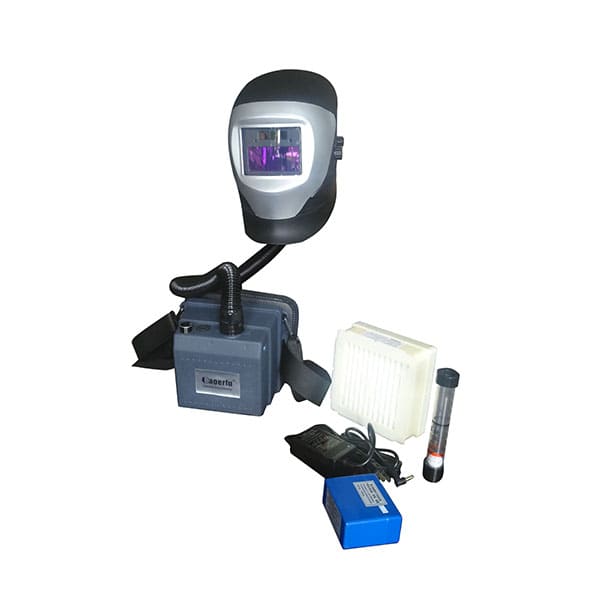
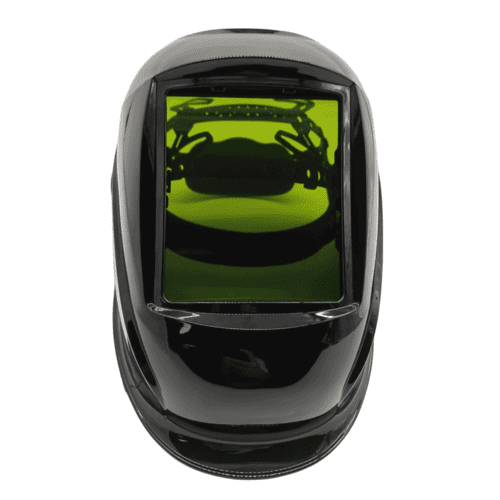
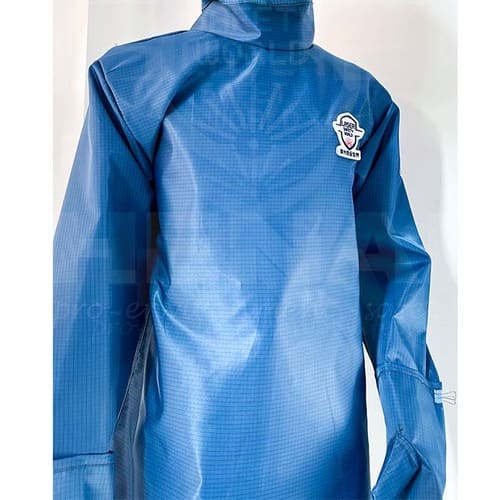
Required Personal Protective Equipment
Mandatory:
- Laser safety glasses (1064nm wavelength rating)
- Long sleeves and pants
- Closed-toe shoes
Recommended:
- Respirator for enclosed spaces
- Work gloves
- Hearing protection with fume extraction

Workspace Requirements
Ventilation: Local exhaust or fume extraction recommended
Fire Safety: Clear area of flammables, fire extinguisher accessible
Electrical: Verify power supply, proper grounding
Regulatory Notes
Most fiber laser cleaners are Class 4 (highest power class).
Requirements vary by country but typically include safety interlocks, warning labels, and restricted access during operation.
We provide compliance documentation for CE (EU), FDA (USA), and other major markets.
Get Your Wood Laser Cleaner Today
Ready to transform your wood cleaning process? Our engineering team is here to help you select the right equipment.
What We Offer
✅ Free Expert Consultation – Discuss your application with our technical team
✅ Custom Recommendations – Personalized advice based on your projects
✅ Factory-Direct Pricing – Save 30-50% vs. Western distributors
✅ Fast Shipping – Delivery to most countries in 2-4 weeks
✅ Comprehensive Support – Training, technical assistance, spare parts
✅ Quality Guarantee – All machines tested before shipment
Contact Options
📧 Email: info@chihalo.com
📱 WhatsApp: +86 18608325040
🌐 Website: [www.chihalo.com] | [www.fiberlaserclean.com]
Our Credentials
- ✓ National High-Tech Enterprise (China)
- ✓ ISO 9001:2015 Certified
- ✓ CE Marking (EU Compliance)
- ✓ Four established brands in European markets
- ✓ 2,000+ customers in 45+ countries
- ✓ Trusted by military, universities, government agencies
2025 Chihalo Laser Technology. All rights reserved.
Last Updated: December 12, 2025
This guide is regularly updated to reflect current pricing, technology developments, and industry best practices.
Prices shown are factory-direct and subject to change. Contact us for current quotes.